Dental Crown Reviews: What Patients Should Look For
Dental crown reviews help you assess care, but the right questions reveal what protects your tooth, comfort and confidence for the years ahead with clarity.
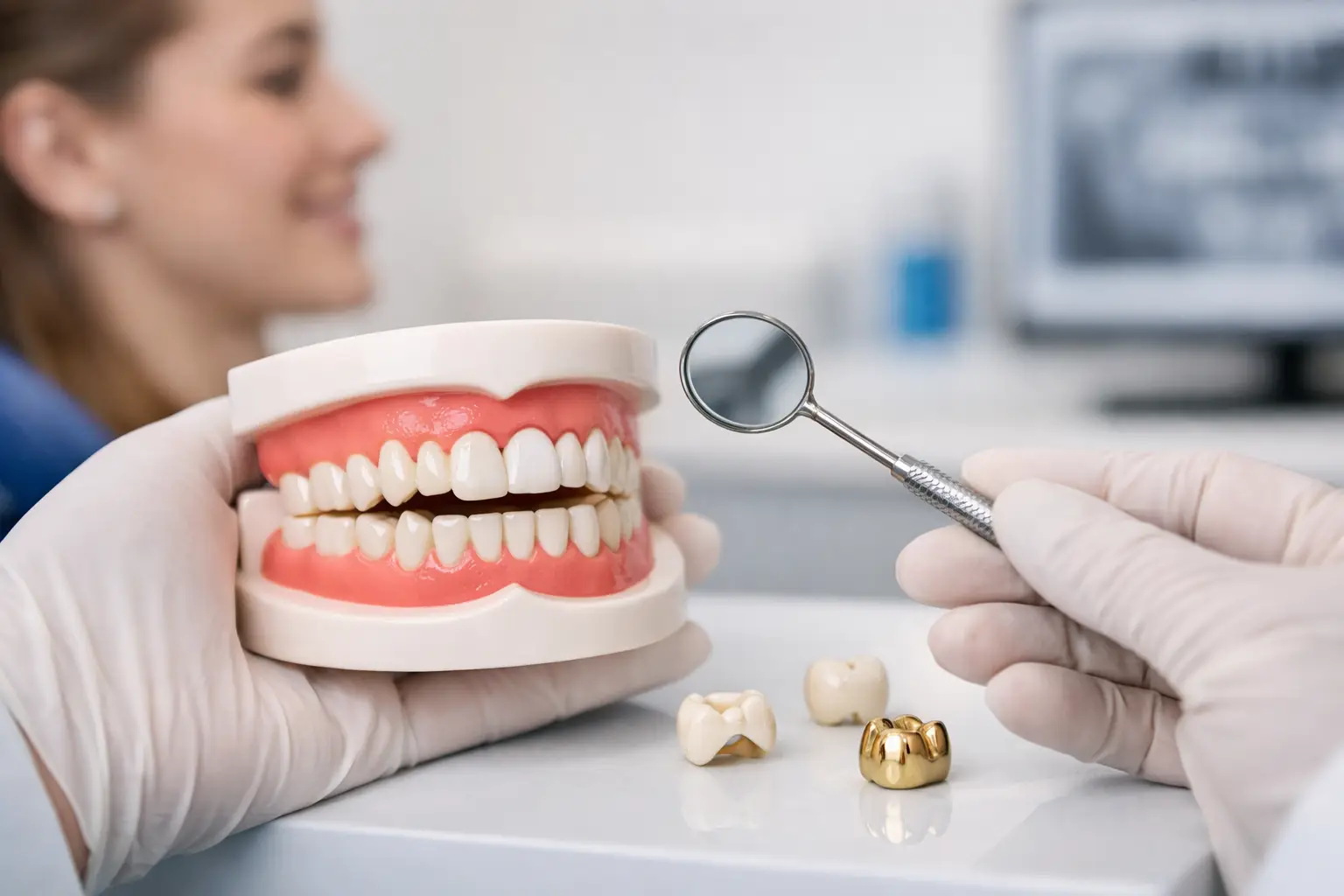
A crown is often recommended when a tooth has been weakened by a large filling, decay, fracture or root canal treatment. It can be an excellent way to preserve a natural tooth, but it is understandable to pause before making the decision. Dental crown reviews can offer useful reassurance, particularly when they describe how a patient was treated, whether they felt listened to and how their crown has performed over time.
Yet reviews are only one part of choosing care. A beautifully written comment cannot tell you whether a crown is clinically right for your tooth, while a brief review may sit behind years of careful, dependable treatment. The most helpful approach is to read patient feedback thoughtfully, then discuss your own needs with a dentist who takes time to explain the options.
What dental crown reviews can tell you
The strongest reviews tend to say more than simply “great service”. Look for accounts of the experience around the treatment: whether the dentist explained why a crown was needed, talked through costs before work began and gave the patient space to ask questions. These details often reflect a practice culture built on communication and informed consent.
For many people, the practical experience matters just as much as the finished result. A crown usually involves preparation of the tooth, impressions or digital scans, a temporary restoration in some cases and a fitting appointment. Reviews that mention gentle treatment, clear aftercare and prompt help if something felt unusual can be especially reassuring for nervous patients.
It is also worth noticing patterns. One positive comment is welcome, but a consistent picture across many reviews carries more weight. If patients repeatedly mention feeling at ease, being seen on time, receiving transparent advice and returning for ongoing care, that suggests a stable and well-organised practice rather than a one-off good experience.
Read beyond the star rating
A five-star rating is encouraging, but it does not replace context. Some patients leave feedback immediately after their appointment, before they have had the chance to use their new crown for several months. Others may focus on the reception team or an emergency visit rather than restorative treatment itself. Both are valid experiences, but neither necessarily tells the full story about crowns.
Read the wording for signs of specific, credible detail. A review that describes a dentist checking the bite carefully, adjusting a crown until it felt comfortable or explaining the difference between materials is more informative than a general compliment. Equally, a calm response from a practice when a patient needed an adjustment can be a positive sign. Small refinements are sometimes needed after fitting, especially as the mouth settles into its usual chewing pattern.
Be cautious of expecting every review to be identical. Dentistry is personal, and treatment plans vary. A front tooth crown may involve different aesthetic considerations from a crown on a back molar, where strength and bite forces are the greater concern. The right result is not always the whitest possible tooth. It should suit your smile, function comfortably and protect the remaining tooth structure.
What reviews cannot answer about your crown
No online feedback can assess the condition of your tooth. Before recommending a crown, a dentist needs to examine the tooth and gums, review any relevant X-rays and consider how you bite together. In some situations, a filling, onlay or veneer may be a more conservative option. In others, the tooth may need root canal treatment before it can be restored securely.
A review also cannot confirm whether there is enough healthy tooth remaining to support a crown. Nor can it predict how long your restoration will last. Crowns are durable, but they are not indestructible. Their lifespan depends on the material chosen, the health of the supporting tooth and gums, daily cleaning, diet and whether you grind or clench your teeth.
If you have a history of grinding, your dentist may suggest a protective night guard. If gum disease is active, stabilising gum health first may be the sensible course. These are not unnecessary delays. They are part of planning a restoration that has the best chance of serving you well.
Questions worth asking at your consultation
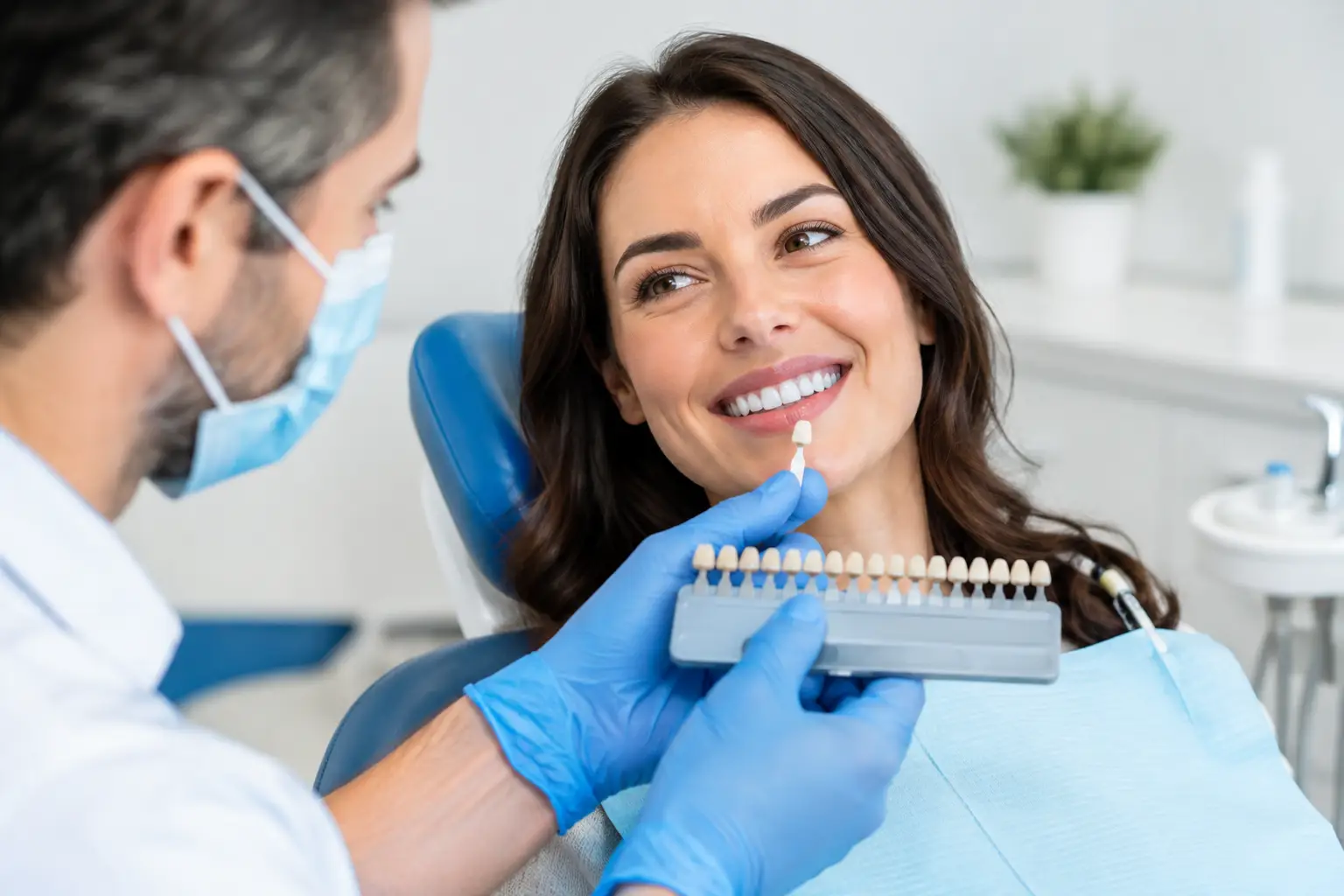
A good consultation should leave you clearer, not pressured. You may wish to ask why a crown is recommended instead of a filling or onlay, what material is suitable for the position of your tooth and how the proposed shade will be selected if it is visible when you smile.
It is also reasonable to ask about the stages of treatment. Will you need a temporary crown? How long will the process take? What should you expect once the local anaesthetic wears off? Your dentist should explain the likely fee before treatment begins and outline what is included, including any laboratory work where relevant.
Ask how to care for the crown at home. A crown cannot decay, but the natural tooth at its edge still can. Careful brushing at the gumline, cleaning between the teeth and regular examinations remain essential. If food repeatedly catches around the crown, your bite feels high or you develop lingering sensitivity, contact the practice rather than trying to live with the problem.
Material matters, but it is not the whole decision
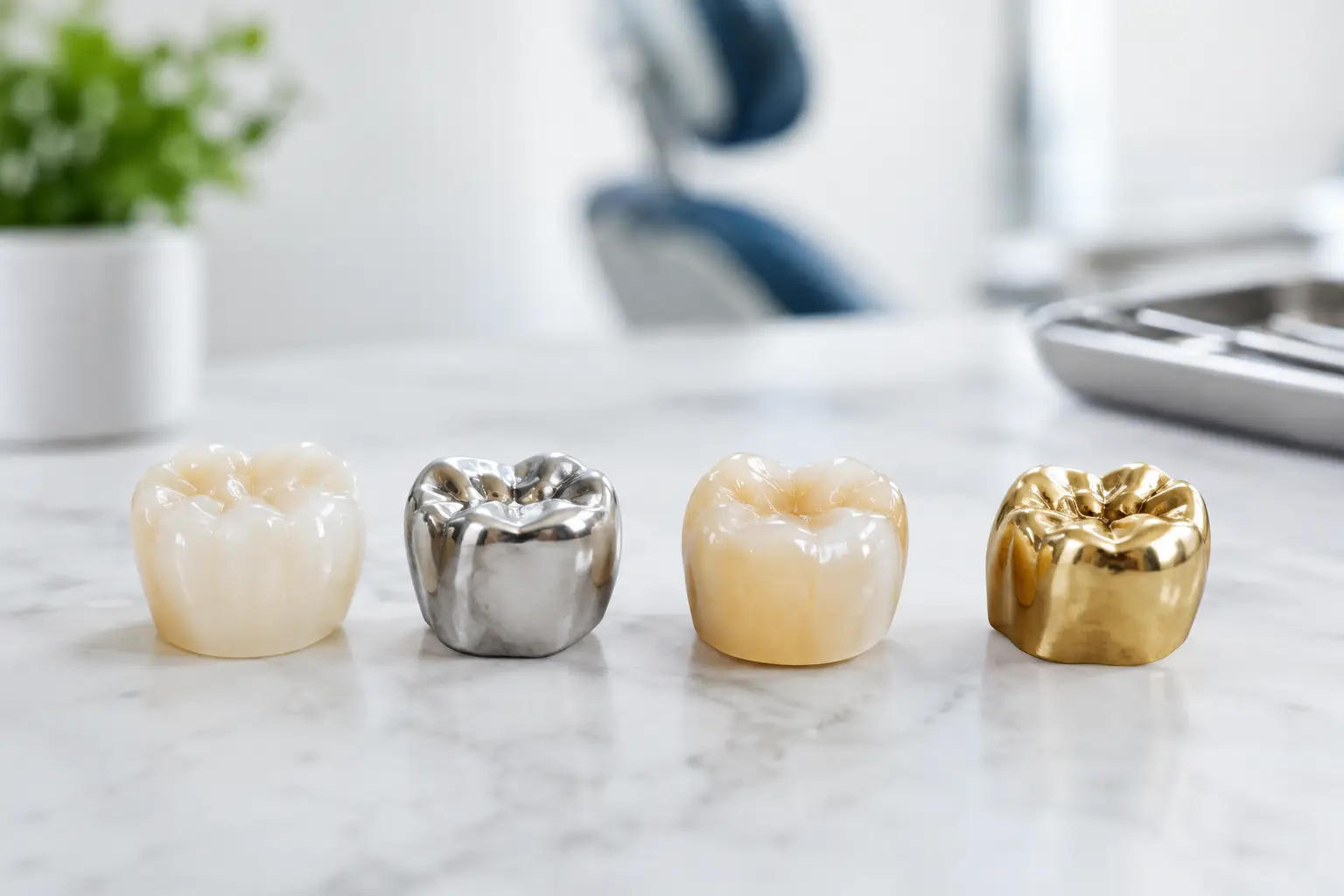
Modern crowns can be made from several materials, including ceramic, porcelain bonded to metal and high-strength zirconia. Each has advantages. All-ceramic options can provide a very natural appearance, which is often valuable for front teeth. Zirconia can offer considerable strength and may suit teeth exposed to heavy chewing forces. Other options may be appropriate where space, bite or budget influences the choice.
There is no single “best” crown for every patient. The most appropriate material depends on where the tooth sits, how much natural structure remains, the shade of neighbouring teeth and your bite. A reliable dentist will recommend material for clinical reasons, not simply because it sounds more advanced or looks attractive in a photograph.
A natural-looking crown should also feel natural
Patients often judge a crown first by its appearance. That is understandable, especially for a tooth near the front of the mouth. But the best result combines appearance with fit and function. The crown should meet the gum neatly, feel comfortable when you bite and blend naturally with nearby teeth under everyday light.
It may take a short time to become accustomed to the feel of a new crown, particularly if the old tooth was worn or broken. However, persistent discomfort, pain when biting or a crown that feels loose should always be checked. Early attention is usually simpler than waiting for symptoms to worsen.
Photos in reviews can be helpful, but they should be viewed with care. Lighting, camera angles and the starting condition of the tooth can make a significant difference. A personal examination and a frank conversation about what is achievable will give you a more dependable expectation than any before-and-after image.
Choosing care for the long term
A crown is not merely a cosmetic purchase. It is a restoration intended to protect a tooth and support everyday things that are easy to take for granted: eating comfortably, speaking confidently and smiling without worrying about a damaged tooth. That is why continuity of care matters. A dentist who knows your dental history can monitor the tooth, gums and bite at routine visits, and advise promptly if maintenance is needed.
At 4 Great Stuart Street, the focus is on clear advice and treatment that is appropriate for the individual patient. Whether you are considering a crown after a broken tooth or replacing an older restoration, you should feel able to ask questions without feeling hurried.
When reading dental crown reviews, look for evidence of kindness, clarity and careful follow-up, then allow a consultation to do the more important work. The right decision is the one that protects your tooth, respects your priorities and leaves you confident about the care you will receive.