Best Dental Care for Children Starts at Home
Learn how the best dental care for children combines gentle check-ups, daily brushing, healthy habits and early support for growing smiles in Edinburgh.
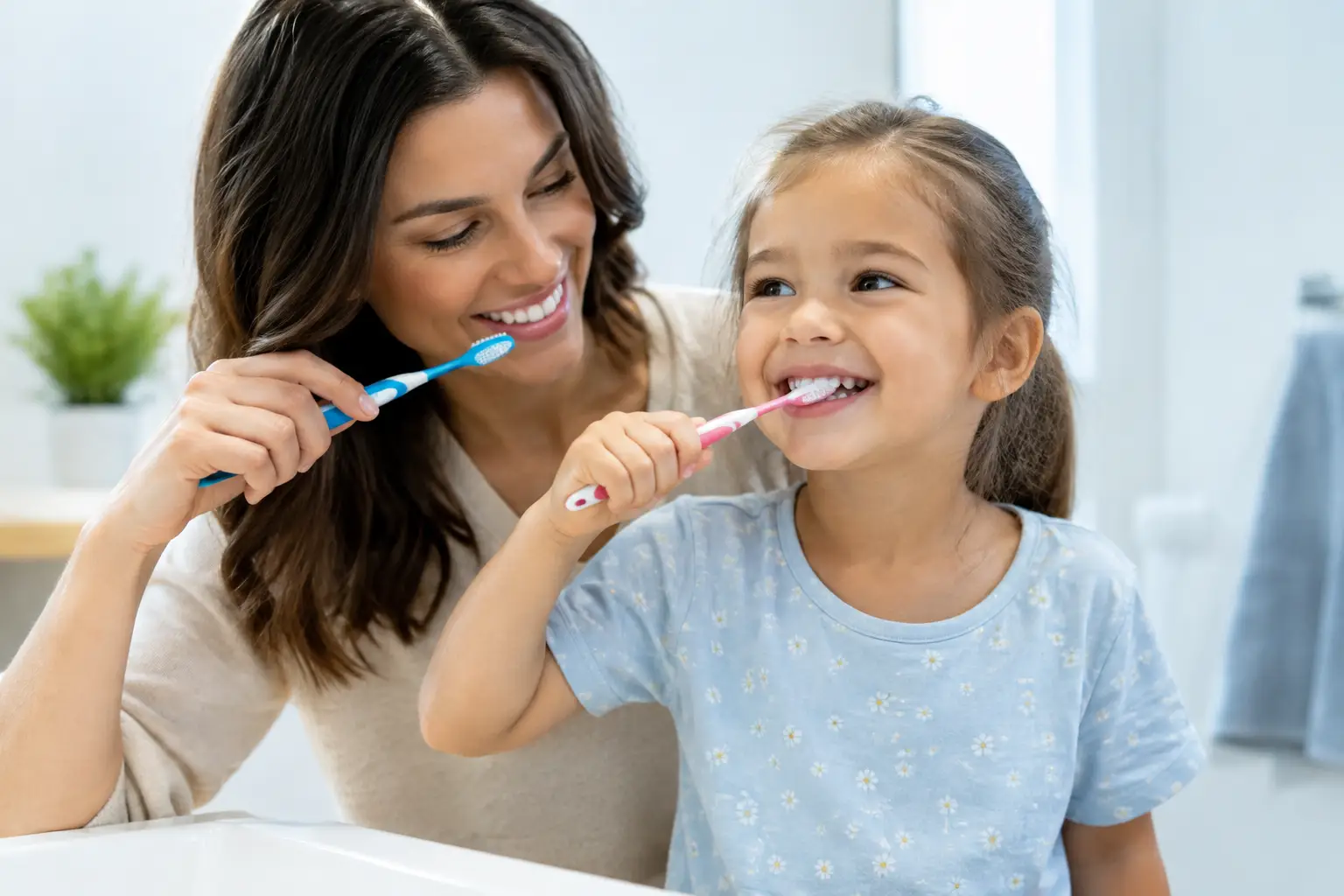
A child’s first dental visit is often decided long before they sit in the chair. It is shaped by the language they hear at home, the routines around brushing, and whether dentistry feels like a normal part of looking after themselves. The best dental care for children brings those everyday habits together with calm, regular professional care - helping young smiles stay healthy while building confidence that can last well into adulthood.
Start dental visits early and keep them familiar
Many parents wait until there is a problem before arranging a first appointment. In practice, an early visit is usually simpler and more reassuring when a child is comfortable and pain-free. Aim to bring your child when their first tooth appears, or by their first birthday at the latest.
At this stage, the appointment may be brief. The dentist can check that teeth and gums are developing as expected, look for early signs of decay, and offer practical guidance on brushing, fluoride and diet. Just as valuable, your child has a chance to see the practice, meet the team and learn that a dental check-up is nothing to fear.
There is no need to make a visit sound dramatic. Describe it matter-of-factly: the dentist will count their teeth and make sure their smile is growing well. Avoid promising that nothing will happen or saying that it will not hurt, as these phrases can introduce worries that were not there before. A calm parent is often the most effective reassurance.
Regular check-ups also allow the dentist to spot changes in the way teeth are erupting, the bite is developing or a child is brushing. How often your child should attend depends on their individual needs, but the aim is prevention rather than waiting for discomfort.
Best dental care for children begins with brushing well
Brushing twice a day with fluoride toothpaste is the foundation of good oral health. Once teeth appear, use a small smear of toothpaste containing at least 1,000 parts per million fluoride for children under three. From age three, a pea-sized amount of family toothpaste containing 1,350 to 1,500 parts per million fluoride is generally appropriate.
Children should spit out after brushing but not rinse with water. Rinsing washes away the fluoride left on the teeth, reducing its protective benefit. Brushing last thing at night matters particularly because saliva flow falls while we sleep, giving sugars and plaque bacteria more opportunity to affect enamel.
Parents should help with brushing, or at least supervise it closely, until around the age of seven. Being able to hold a toothbrush is not the same as being able to clean every surface properly. A young child will often miss the gumline, back teeth and the inside surfaces of their teeth unless an adult finishes the job.
Making the routine predictable is more useful than making it perfect. Let children choose a toothbrush they like, use a timer or a favourite two-minute song, and brush alongside them where possible. If a child resists, keep the tone gentle and consistent. A short, calm brush every morning and evening is better than turning dental care into a nightly argument.
Food and drink: frequency matters as much as quantity
Tooth decay is caused when bacteria in plaque use sugars from food and drink to produce acids. Those acids attack the tooth surface repeatedly throughout the day. This is why frequent grazing, sipping sweet drinks or regularly offering small sugary snacks can be harder on teeth than an occasional treat eaten as part of a meal.
Water and plain milk are the kindest everyday drinks for teeth. Fruit juice, smoothies, squash, fizzy drinks and flavoured milks can all contain sugars or acids, even where they are presented as healthy choices. Keep these to mealtimes where possible rather than serving them in a bottle or cup throughout the day.
The same principle applies to snacks. Fresh fruit, cheese, yoghurt without added sugar, vegetables and savoury options can help reduce the number of sugar exposures between meals. This does not mean a child can never have a biscuit, birthday cake or holiday treat. It means creating a pattern where sweet foods are occasional, enjoyed at mealtimes, and followed by a return to normal routines.
Bedtime bottles deserve particular care. Once teeth have appeared, settling a child to sleep with milk, formula, juice or a sweetened drink can leave sugars around the teeth for hours. Water is the safer choice after brushing.
Protect baby teeth - they are not disposable
Baby teeth may eventually fall out, but they have an important job while they are present. They support speech, help children chew comfortably, guide permanent teeth into place and contribute to a confident smile. When decay causes pain or a tooth is lost early, eating, sleep, school and future dental development can all be affected.
A sore tooth can also make children wary of dental treatment. Early assessment gives the best chance of managing problems conservatively, before they become more complicated or upsetting. If your child says a tooth hurts, avoids chewing on one side, has swelling, complains of sensitivity, or you notice dark areas or holes in a tooth, arrange a dental appointment promptly.
Dental emergencies should not be ignored. Facial swelling, persistent severe pain, bleeding that will not stop, or trauma to the mouth needs timely professional advice. If a permanent tooth is knocked out, hold it by the crown rather than the root, keep it moist in milk or saliva if appropriate, and seek urgent dental care. Baby teeth should not be pushed back into place, as this could damage the developing adult tooth beneath.
Make sport and growing smiles part of the conversation
As children grow, dental care becomes about more than brushing. A dentist can monitor crowding, gaps, jaw development and the way upper and lower teeth meet. Not every child with teeth that look uneven needs treatment, and timing matters. Some concerns are best watched while baby teeth are still being replaced; others may benefit from earlier assessment.
If your child plays contact sport, ask about a properly fitted mouthguard. A well-made guard is more protective and comfortable than a generic version, particularly for children who wear braces or have teeth still developing. It is a practical investment in avoiding an injury that could otherwise affect a smile for years.
Teenagers may need a different conversation. Independence can bring more missed brushes, sugary energy drinks, sports injuries or concerns about appearance. A respectful, non-judgemental approach helps. Rather than focusing only on what they are doing wrong, explain what protects the result they want: fresh breath, a confident smile and fewer avoidable appointments.
Choose a practice where your child can build trust
The right dental practice should make room for questions, allow time for a child to settle, and speak clearly to both parent and child. Continuity can be especially helpful for nervous children. Seeing familiar faces at routine visits makes it easier to ask for help if a filling, extraction or other treatment is ever needed.
For families in Edinburgh, 4 Great Stuart Street offers a calm, established setting for children’s routine dental care alongside the wider needs of parents and carers. NHS dental care is generally available free of charge for children under 18, or under 19 if they remain in full-time education, although registration and appointment arrangements should always be confirmed with the practice.
The goal is not to raise a child who loves every part of a dental appointment. It is to raise one who understands that their teeth deserve care, knows where to go when something feels wrong, and feels safe asking for help. A steady routine at home and a trusted dental team give them a very good place to start.