How Professional Teeth Whitening Works
Learn how professional teeth whitening works, what to expect from treatment, how long results last, and why a dentist-led approach is safer.
A brighter smile can look simple from the outside, but there is usually one question behind it: how professional teeth whitening works in practice, and whether it is worth doing properly rather than trying a shop-bought kit. For most patients, the answer comes down to safety, predictability and getting a result that suits their teeth rather than a generic product.
Professional whitening is a dentist-led treatment designed to lift staining from the enamel and lighten the overall shade of the teeth in a controlled way. It is not paint, polish or a harsh abrasive scrub. Instead, it uses a regulated whitening gel that breaks down stain-causing compounds within the tooth structure, helping the teeth appear cleaner, fresher and naturally lighter.
How professional teeth whitening works in simple terms
The active ingredient in professional whitening is usually either hydrogen peroxide or carbamide peroxide. These ingredients release oxygen molecules that pass through the outer surface of the tooth and target the compounds responsible for discolouration. As those compounds are broken apart, the teeth look lighter.
This is why whitening is different from a scale and polish. Hygiene treatment removes surface deposits such as plaque, tartar and some external staining, which can certainly improve the appearance of the smile. Whitening goes further by changing the colour of the tooth itself.
That distinction matters. If teeth are yellowed because of tea, coffee, red wine, smoking or simple age-related darkening, whitening can often help very effectively. If the issue is a crown, veneer, filling or certain forms of internal discolouration, the answer may be less straightforward.
Why dentist-led whitening is different
Many patients ask why they should not simply buy an over-the-counter product. The main difference is that professional treatment starts with an assessment. Before any whitening begins, a dentist checks that the teeth and gums are healthy enough for treatment and that whitening is likely to help.
That matters because sensitivity, gum irritation, untreated decay, leaking fillings or gum disease can all affect whether whitening is appropriate. If someone has discomfort already, placing whitening gel onto unwell teeth is unlikely to be the right first step.
A dentist-led approach also means the treatment is tailored. Custom-made trays fit the teeth closely, which helps the gel stay where it should and reduces contact with the gums. The strength of the gel, the wear time and the length of treatment can all be adjusted based on the starting shade, the patient’s goals and any history of sensitivity.
For patients who are understandably cautious, this tends to be the point that provides reassurance. Whitening is cosmetic, but it should still be carried out with the same care as any other dental treatment.
What happens before whitening starts
The first stage is a consultation. Your dentist will look at the health of your teeth and gums, discuss the colour changes you have noticed, and explain what sort of result is realistic. Good whitening should make teeth look brighter and cleaner, but it should still suit the face and look natural.
If there is tartar build-up or surface staining, a hygiene appointment may be advised first. This creates a cleaner starting point and can improve the final result. Any decay or other dental problems should also be dealt with before whitening begins.
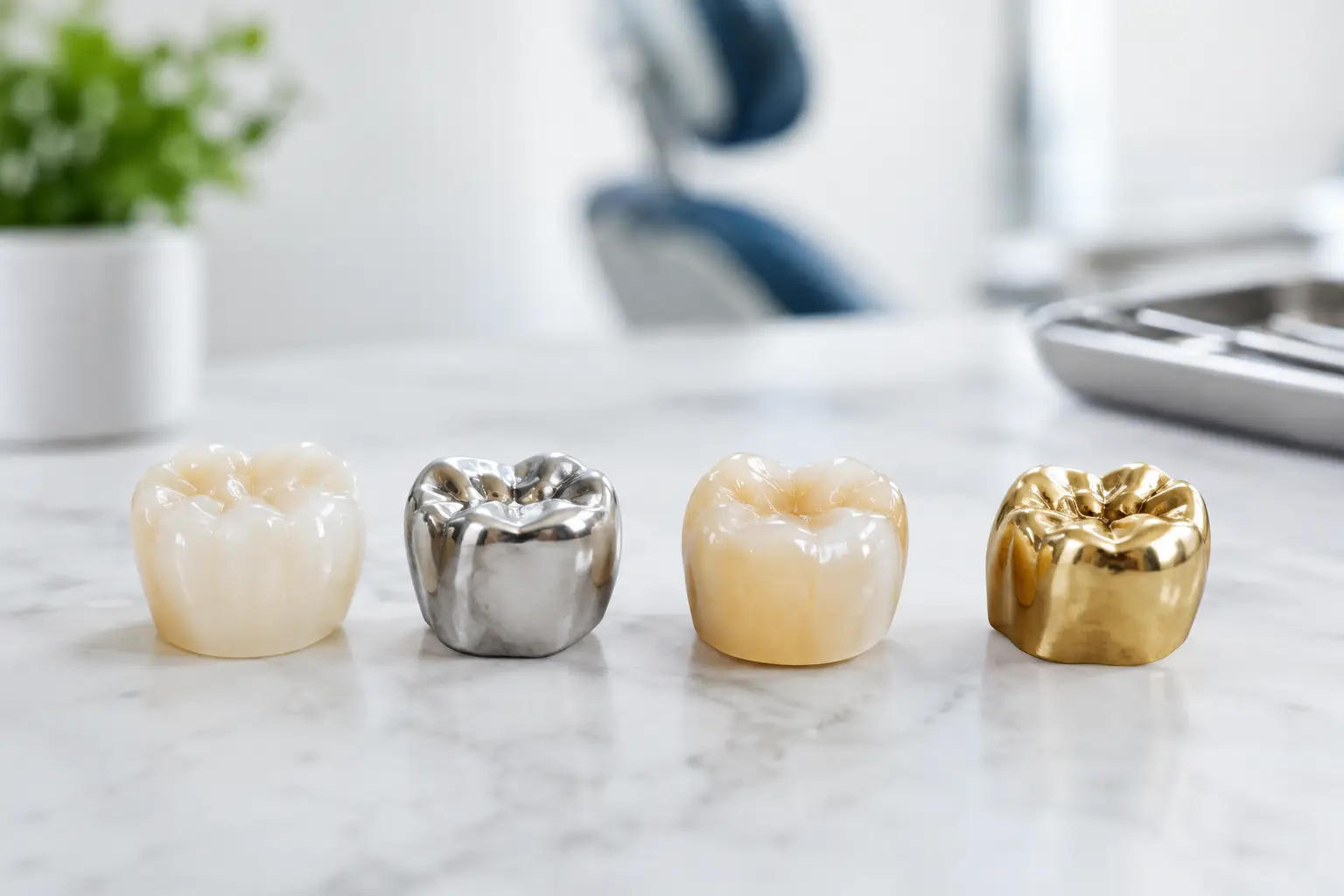
At this stage, it is also important to identify anything whitening will not change. Fillings, crowns, bridges and veneers do not respond to whitening gel in the same way natural teeth do. If these restorations are visible when you smile, your dentist will discuss whether they may need to be replaced afterwards to match the new shade.
How the treatment itself works
In most cases, professional whitening is carried out at home using custom trays made by your dentist. Impressions or scans are taken so trays can be produced to fit your teeth precisely. You are then shown how to place a small amount of whitening gel into the trays and wear them as instructed, often for a set period each day or overnight, depending on the system used.
This gradual approach is one of the reasons professional whitening is so popular. It gives patients control, allows shade changes to develop steadily, and makes it easier to stop once the desired result has been reached.
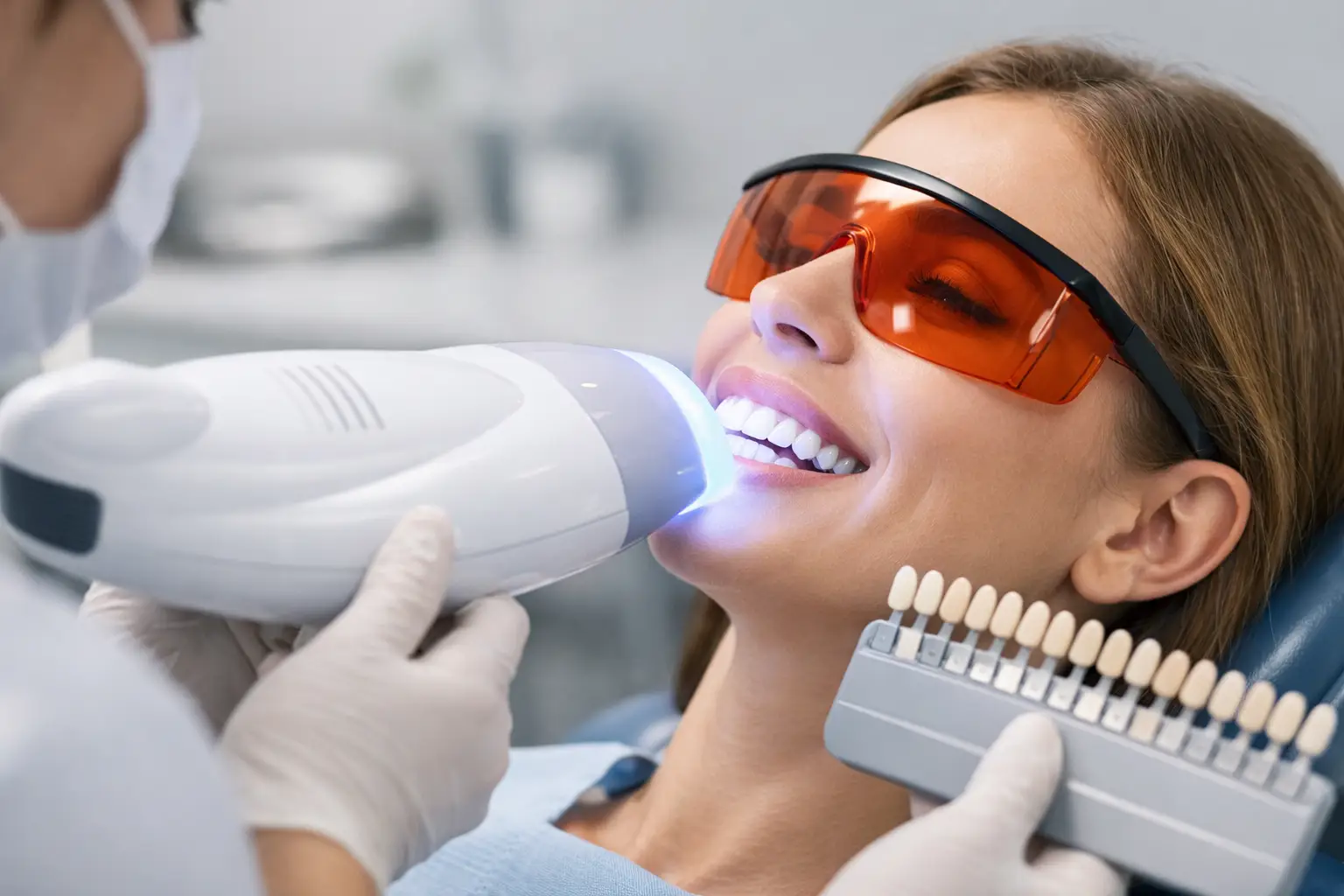
Some practices also offer in-surgery whitening, sometimes alongside home treatment. This involves applying whitening gel under clinical supervision for a more immediate lift. Even then, it is common for home whitening to play a part, because longer contact over a number of days often gives a more stable and even result.
How long it takes to see results
Some patients notice a change within a few days, while for others it is more gradual. A typical course of home whitening often runs for around one to two weeks, but it depends on the product used, how dark the teeth are to begin with and how the teeth respond.
There is no single correct shade that everyone should reach. Natural tooth colour varies from person to person, and the aim is not necessarily a brilliant white finish. For many adults, the best result is simply a fresher, healthier-looking smile that still feels like their own.
Does it hurt?
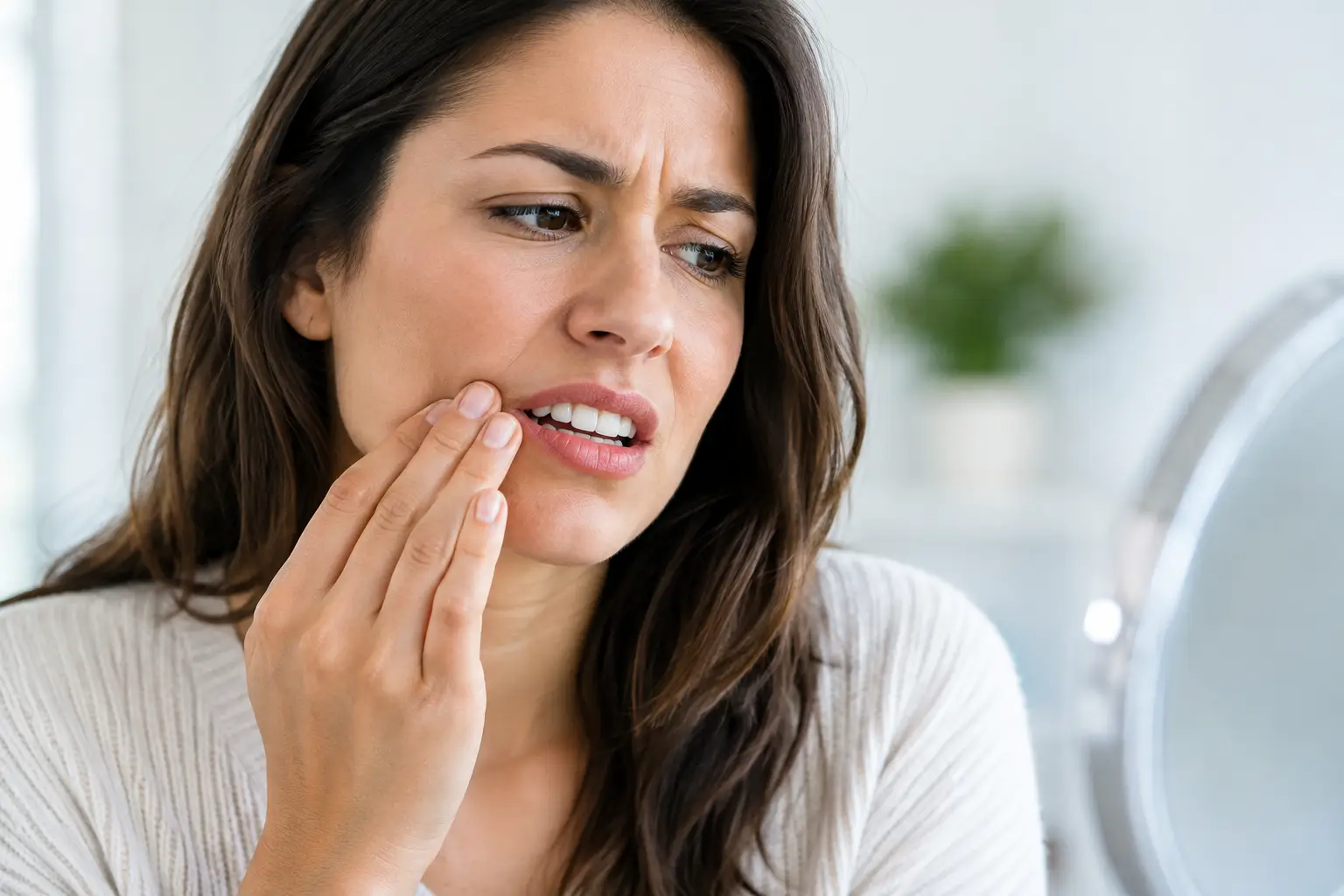
Whitening should not be painful, but temporary sensitivity is common. Teeth may feel more reactive to cold air or chilled drinks during treatment. This usually settles once the whitening course is finished, and there are ways to manage it, such as adjusting wear time or using products recommended by your dentist.
Gum irritation can also happen if excess gel leaks out of the trays, which is another reason proper fit and good instruction matter. Professional guidance helps reduce these problems and gives patients a clear plan if sensitivity does occur.
For nervous patients, it often helps to know that whitening is one of the least invasive cosmetic treatments available. Nothing is drilled, cut or removed. The process is controlled, reversible in the sense that treatment can be paused, and usually easy to fit around daily life.
What professional whitening can and cannot do
Whitening works well for many common forms of staining, particularly yellowing linked to diet, smoking and age. It can brighten the smile noticeably without changing the shape of the teeth.
However, it is not the right solution for every cosmetic concern. If the teeth are chipped, uneven, heavily filled or intrinsically discoloured from trauma or certain medications, whitening may only improve things to a point. In those cases, your dentist may discuss alternatives or combination treatments.
There is also a limit to how far teeth can be lightened safely and naturally. Pushing beyond that point does not always produce a better appearance. A good result is one that looks healthy, balanced and in keeping with the person.
How long the results last
Results are not permanent, because teeth continue to be exposed to food, drink and normal ageing. For many people, the effect lasts many months or longer before a top-up is needed. How long it holds depends on habits and starting shade.
Frequent tea, coffee, red wine and tobacco use can lead to quicker restaining. Good brushing, regular hygiene visits and occasional top-up whitening under dental supervision can help maintain the result.
This is another area where realistic expectations matter. Whitening is better thought of as maintenance rather than a one-off fix for life. Done properly, though, it can be a very effective and conservative way to refresh the smile.
Who is suitable for whitening?
Most adults with healthy teeth and gums can be considered for whitening, but suitability should always be assessed properly. Pregnant or breastfeeding patients are generally advised to wait. Anyone with untreated dental disease, significant sensitivity or unrealistic expectations may need a different plan first.
A calm consultation is usually the best place to start. At an established practice such as 4 Great Stuart Street, that conversation should feel measured and honest rather than pressured. The right treatment is the one that is safe, appropriate and likely to give a result you will feel comfortable with.
Is professional whitening worth it?
For patients who want a brighter smile without changing otherwise healthy teeth, professional whitening is often one of the most straightforward cosmetic options available. It is more predictable than shop-bought products, safer than unregulated treatments and more respectful of the teeth than more invasive cosmetic work.
The real value lies in the combination of clinical oversight and subtle improvement. Whitening is not about chasing an artificial finish. At its best, it helps people look more rested, more polished and a little more confident when they smile.
If you have been thinking about whitening, the most useful next step is not choosing the strongest product. It is finding out whether your teeth are suitable, what kind of result is realistic, and how to do it in a way that keeps your smile healthy as well as bright.