Gum Disease Stages and When to Seek Care
Understand gum disease stages, from early gingivitis to advanced periodontitis, and learn when professional dental care can protect your smile naturally for life.
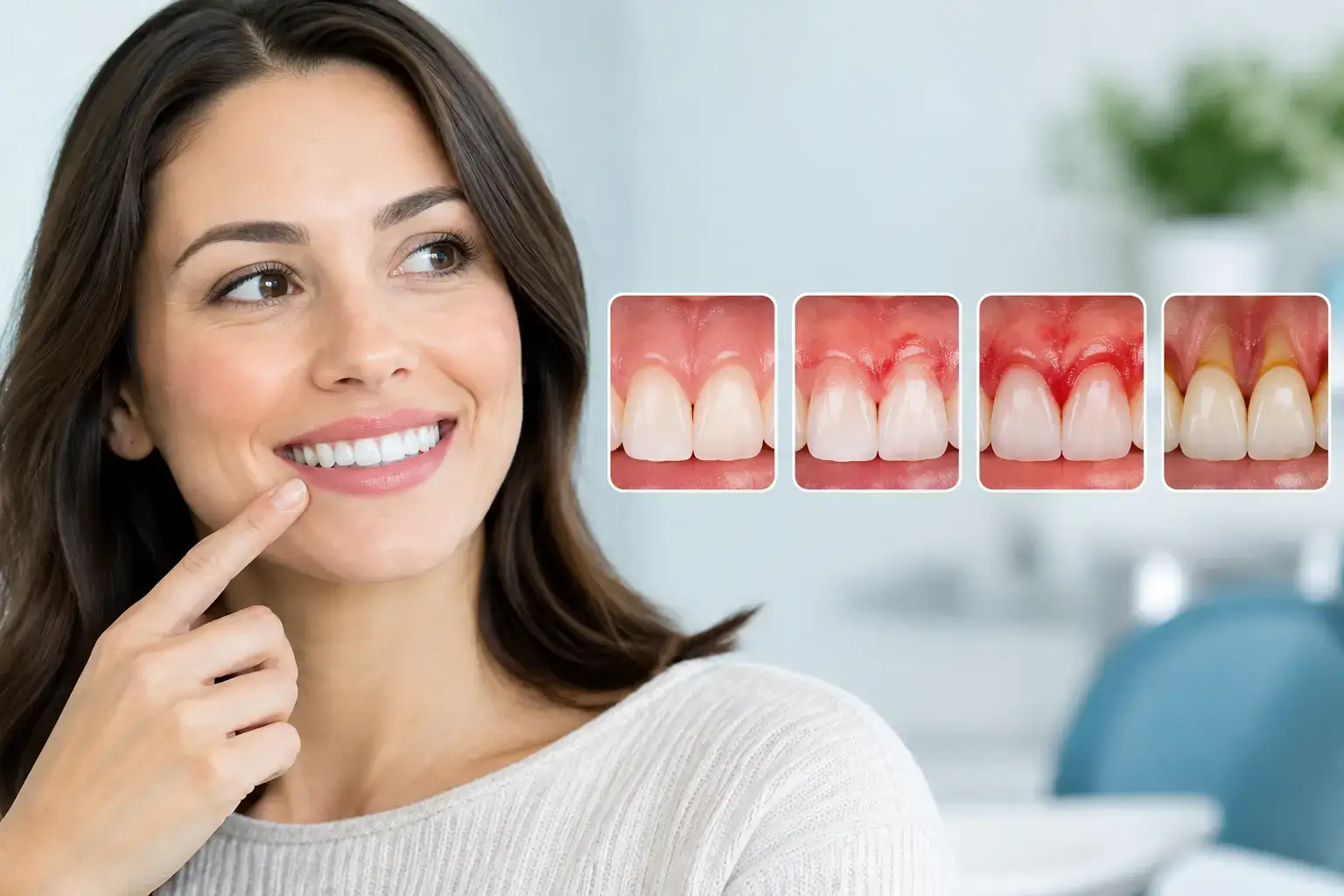
Bleeding when you brush is easy to dismiss, particularly if it does not hurt. Yet bleeding gums are often one of the first signs that plaque has begun to affect the tissues supporting your teeth. Understanding the gum disease stages can make a real difference: early changes are usually reversible, while more advanced disease needs careful professional management to prevent further damage.
Gum disease is common, but it is not something you should simply accept as part of getting older. With consistent home care and regular dental and hygiene appointments, many people can keep their gums healthy for the long term.
What causes gum disease?
Gum disease develops when plaque builds up along and below the gumline. Plaque is a sticky film containing bacteria. If it is not removed thoroughly each day, it can harden into tartar, also called calculus, which cannot be removed with a toothbrush alone.
The bacteria and the body's inflammatory response can irritate the gums. Over time, this may affect not only the soft tissue around the teeth but also the bone that holds them in place. Smoking, poorly controlled diabetes, certain medications, stress, pregnancy and a family history of gum problems can all increase risk. That does not mean gum disease is inevitable, but it may mean you need more tailored preventive care.
Gum disease stages explained
Stage 1: Healthy gums
Healthy gums are generally pink or coral in colour, firm and comfortable. They should not bleed during brushing, flossing or cleaning between the teeth. There should be no persistent unpleasant taste, swelling or bad breath.
Even healthy mouths need attention. Plaque can start to form again soon after brushing, which is why twice-daily brushing with fluoride toothpaste and daily cleaning between the teeth are so valuable. A routine examination allows your dentist to spot small changes before they become harder to treat.
Stage 2: Gingivitis
Gingivitis is the earliest stage of gum disease. The gums may look redder than usual, feel puffy or tender, and bleed when you brush or clean between your teeth. Some people notice bad breath or a metallic taste, while others have no obvious discomfort at all.
At this stage, the inflammation is confined to the gums and there has not usually been permanent damage to the bone supporting the teeth. This is the encouraging part: gingivitis can normally be reversed. A professional cleaning, alongside improved daily plaque removal, gives the gums the opportunity to settle.
It can take a little time for bleeding to reduce when you begin cleaning properly between the teeth. It is still worth continuing gently and consistently. If bleeding persists after a week or two, or is heavy, arrange an appointment rather than avoiding the area.
Stage 3: Early periodontitis
When gingivitis is left untreated, inflammation can progress to periodontitis. This means the supporting structures around the tooth have begun to break down. The gums may start to pull away from the teeth, forming spaces known as periodontal pockets where bacteria can collect.
Early periodontitis may cause ongoing bleeding, bad breath, gum recession or increased sensitivity as more of the tooth root becomes exposed. However, it can still be surprisingly quiet. A person may feel well and have no toothache, which is why dental examinations and gum assessments matter.
The bone loss associated with periodontitis cannot usually be fully reversed, but treatment can control the condition and help prevent it from progressing. Your dentist or hygienist may recommend more detailed cleaning beneath the gumline, as well as a programme of periodontal maintenance appointments based on your individual needs.
Stage 4: Moderate periodontitis
In moderate periodontitis, the pockets around the teeth are deeper and more supporting bone has been lost. Gum recession can make teeth appear longer, and chewing may feel different. Some people begin to notice that teeth are shifting position or that food regularly catches between them.
Treatment is still very worthwhile. It may involve careful non-surgical cleaning over more than one visit, detailed oral hygiene guidance and review appointments to measure how the gums respond. Good home care is essential, but it works alongside professional treatment rather than replacing it.
The exact approach depends on factors such as the depth of the pockets, the pattern of bone loss, smoking status, general health and how easily plaque can be removed around particular teeth. In some situations, a referral to a specialist in gum treatment may be appropriate.
Stage 5: Advanced periodontitis
Advanced periodontitis involves significant loss of the bone and tissue that support the teeth. Teeth may become loose, move, flare outwards or change the way they meet when you bite. Gum abscesses, discomfort while chewing and recurrent swelling can occur.
At this point, the priority is to stabilise the disease, reduce infection and retain healthy teeth where possible. Some teeth may have a poor long-term outlook and need to be removed. If this is necessary, your dentist can discuss suitable ways to restore function and appearance, which may include a bridge, denture or dental implant once the gums are healthy enough.
Losing a tooth is never the desired outcome, but delaying care because you are worried about what might be found often makes treatment more complicated. A calm assessment gives you clear information and choices.
How dentists assess the stage of gum disease
A dental examination is more than a quick look at the teeth. Your dentist or hygienist will check for plaque and tartar, inflammation, bleeding, recession and loose teeth. They may measure the small space between the gum and tooth at several points around each tooth. X-rays can help show the level of supporting bone, including changes that are not visible during a visual examination.
These findings help create a picture of your gum health. It is not always possible to judge the stage by looking in the mirror, especially if the main changes are happening below the gumline. That is also why mouthwash alone cannot treat established periodontitis. It may freshen breath temporarily, but it cannot remove tartar or clean deep periodontal pockets.
What you can do between appointments
Daily habits have a direct effect on gum health. Brush for two minutes twice a day using fluoride toothpaste, paying particular attention to where the teeth meet the gums. Clean between your teeth once a day with interdental brushes, floss or another option recommended for the size and shape of your gaps.
If your gums bleed, use gentle technique rather than stopping altogether. A soft toothbrush and advice on brushing pressure can help if your gums are sore. Smoking cessation is one of the most beneficial changes for people with gum disease, as smoking can mask bleeding while making healing less predictable. If you have diabetes, keeping blood sugar well managed can also support your periodontal health.
No two mouths are identical. Crowns, bridges, braces, implants, crowded teeth and reduced dexterity can all affect which tools are most practical. The best routine is the one you can use thoroughly every day, with advice adjusted as your needs change.
When to arrange a dental appointment
Do not wait for pain if you have persistent bleeding, swollen gums, bad breath that does not improve, gum recession, pus, a loose tooth or a change in your bite. These symptoms do not always mean advanced disease, but they deserve an assessment.
For patients in Edinburgh, 4 Great Stuart Street provides examinations and hygiene care in a safe, ethical and relaxed environment, with an emphasis on preventing small problems from becoming more complex. If you feel anxious about treatment, tell the team from the outset. A considered pace and clear explanation can make the next step feel far more manageable.
Your gums are the foundation for every smile, whether your priority is comfortable eating, keeping your natural teeth or planning future restorative treatment. Acting on an early sign today is often the kindest thing you can do for your future dental health.