Feeling anxious about the dentist is common

Plenty of adults put off the dentist for months or years. For some it goes back to a painful visit long ago. Others dislike the sounds, the feeling of lying back without being in control, or worry about being judged for the state of their teeth. None of this is anything to be embarrassed about.

At 4 Great Stuart Street we aim to provide care in a safe, ethical and relaxed environment, and we treat everyone with mutual care, respect and support. Care here is built around long-term relationships rather than hurried, one-off visits, so you can get to know the people looking after you. Patients are encouraged to talk openly about their worries from the very first contact.

One patient put it this way in a Google review: “I was a very nervous adult attending the dentist”, adding that her dentist “truly manages to put me at ease” (Louise Campbell, October 2026).
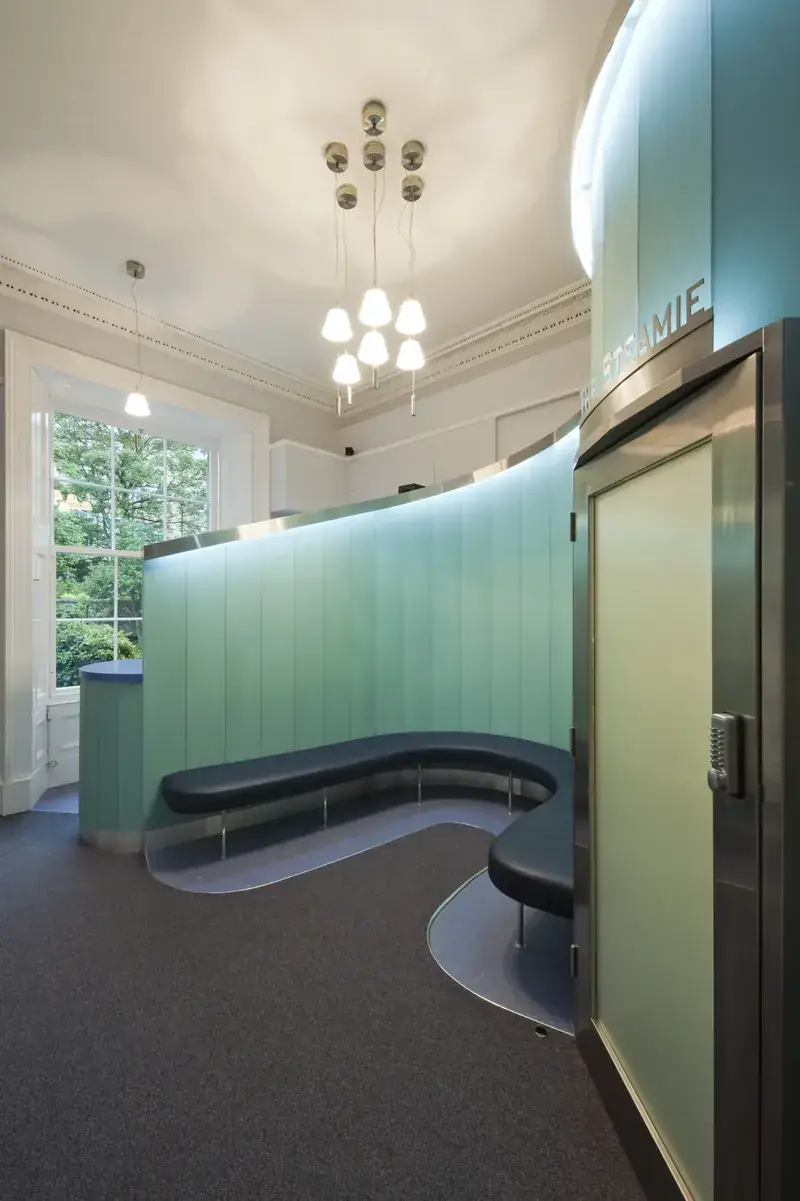
The waiting room at 4 Great Stuart Street Dental Practice

What to tell us when you book

Call us on 0131 225 3911, or use the appointment request form or the contact form if you would rather write than talk. New patients can register with the practice online first.

Let us know that you are nervous. If you can, add what worries you most. That gives the team a chance to take extra care from the start, instead of you having to raise it once you are already in the chair. Useful things to mention include:

  • How long it has beenA rough idea is fine, whether that is one year or fifteen.
  • Your main worryInjections, the drill, gagging, cost, or simply not knowing what will happen.
  • How much detail you wantSome people like every step explained; others prefer just the essentials.
  • Anything urgentPain, swelling or a broken tooth, so you can be seen appropriately.

What a first visit generally involves

For most nervous patients the first appointment is mainly a conversation and a check-up. Your dentist will ask about your dental history and what has made visits difficult, then look at your teeth and gums if you are comfortable with that. X-rays may be suggested, and the reason for them should be explained first. Our check-ups and preventive care page describes what the examination covers.

Afterwards your dentist will tell you what they have found in plain language and talk through your options, including why something is recommended, what the alternatives are, how many visits it might take and what it is likely to cost. You can see our fees on the pricing page. Nothing is done without your agreement, and it is fine to go away and think about it.

Small things that can help

Different things work for different people. These are suggestions you can ask about or try, not a fixed routine:

✓
Agree a stop signal, such as raising a hand, before treatment begins
✓
Ask for a morning appointment so you are not worrying about it all day
✓
Ask whether a friend or family member can come with you
✓
Bring headphones and check with your dentist when you can use them
✓
Eat normally beforehand and go easy on coffee, which can make nerves feel worse
✓
Breathe slowly, letting each breath out last a little longer than the breath in

Coming back after years away

A long gap does not mean a lecture. The useful question is simply what will help now. Often the best start is one calm, low-pressure appointment, with any treatment planned in stages afterwards rather than all at once.

One of our dentists, Dr Louisa, particularly enjoys working with anxious patients to help them feel comfortable with treatment. You can read about her and the rest of the team on the team page.

Questions nervous patients often ask

I haven't been to the dentist in years. Will I be told off?

No. Many adults stay away for a long time because of anxiety, busy lives or a bad experience in the past. The focus at your appointment is on how your mouth is now and what a sensible next step looks like, not on how long it has been.

What should I say when I book?

A single sentence is enough, for example "I'm nervous about the dentist and would like things explained as we go." If you know what worries you most, such as injections, the sound of instruments or lying back in the chair, mention that too. You can tell us by phone on 0131 225 3911 or mention it when you fill in the booking or contact form.

Will my treatment hurt?

No one can promise that a dental visit will feel like nothing at all, but modern local anaesthetic is designed to keep most treatment comfortable. You may still notice pressure or vibration. If injections worry you, or you have found it hard to get numb before, tell your dentist before treatment starts.

Do I have to have treatment at my first appointment?

Your first visit is usually a conversation and a check-up. Your dentist will explain what they find and what your options are, and nothing is done without your agreement. If you are in pain or have swelling, prompt treatment may be advisable, but you will be told what is happening and why.

Can I bring someone with me?

Many nervous patients find it helps to have a friend or family member nearby. Ask when you book whether they can come with you, and say whether you would like them in the waiting room or with you.

Do you see NHS and private patients?

Yes. The practice welcomes both NHS and private patients. A private examination is from £84.00, and our pricing page lists the other fees, so you can know the likely costs before you agree to anything.

Guides for anxious patients

Our blog has longer articles on coping with dental anxiety and on what happens at the dentist:

Ready when you are

Call 0131 225 3911 (Mon–Thu 9:00–17:30, Fri 9:00–13:00) and tell us you are nervous, or send a request online. We are at 4 Great Stuart Street in Edinburgh's West End, EH3 6AW.

Request an appointment Register as a new patient