Floss Versus Interdental Brushes: Which Is Best?
Floss versus interdental brushes: understand which cleans between your teeth best, how to use each safely, and when your dentist may recommend to you.
The question of floss versus interdental brushes is not really about choosing a winner for everyone. The best tool is the one that can clean the spaces between your own teeth comfortably and effectively, and that you will use every day. For many people, that means floss. For others, particularly where there are wider gaps or gum concerns, interdental brushes can be the more effective choice. Some patients benefit from using both.
Cleaning between teeth matters because an ordinary toothbrush cannot reliably reach these surfaces. Plaque can collect where teeth meet, around the gum line and beside dental work. Left in place, it can contribute to bleeding gums, gum disease, decay between teeth and unpleasant breath.
Floss versus interdental brushes: the key difference
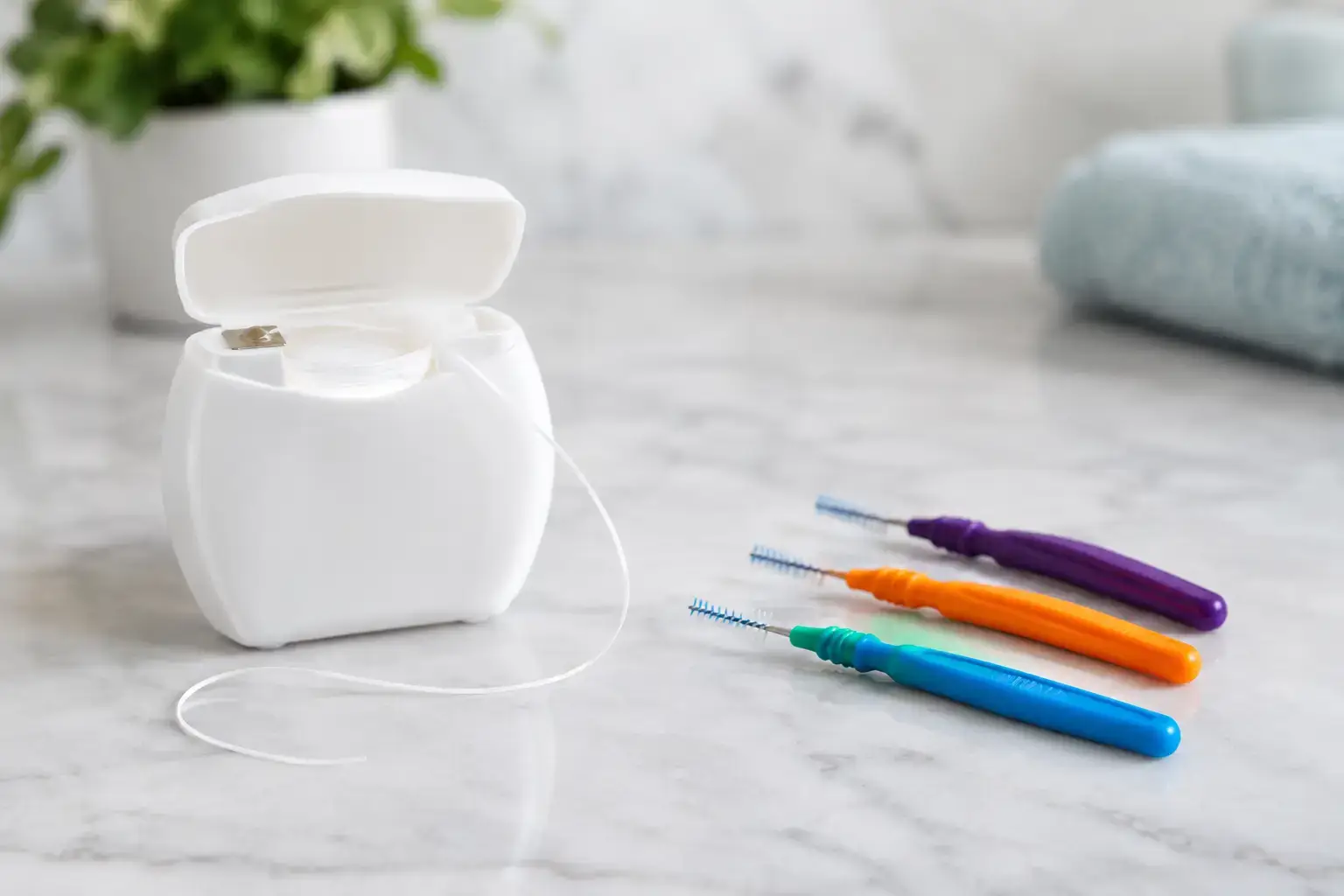
Dental floss is a thin strand designed to slide through tight contact points between teeth. It wipes plaque from the sides of each tooth, including areas that may be too narrow for even the smallest interdental brush.
Interdental brushes are small, bristled brushes on a fine wire or flexible stem. They clean by filling the space between the teeth and gently sweeping plaque away from the tooth and gum surfaces. They come in a range of sizes, because the spaces in one mouth can vary considerably.
Neither option replaces twice-daily brushing with fluoride toothpaste. Think of them as the part of your routine that looks after the places your toothbrush cannot reach.
When floss may be the better choice
Floss is often best where teeth are very close together, with little or no visible space between them. This is common in the front of the mouth and in people with naturally tight contacts. It can also be useful for cleaning beneath the contact point of closely fitted teeth where a brush will not pass through without force.
A good flossing technique matters. Ease the floss gently between the teeth rather than snapping it down onto the gums. Curve it around one tooth in a C-shape, move it up and down a few times, then repeat against the neighbouring tooth before moving to a clean section of floss.
Waxed floss can glide more easily through tight spaces. Dental tape is broader and may feel more comfortable for some people, although it is not always suitable for very narrow contacts. Floss holders can help if reaching the back teeth is difficult, but they may offer less control than a length of floss held between your fingers.
Floss has limitations. If there is a larger gap between teeth, it may pass through without thoroughly cleaning the surfaces. It can also be fiddly for people with limited hand movement, and an uncomfortable method is less likely to become a lasting daily habit.
When interdental brushes may be more effective
Interdental brushes are frequently recommended for adults with small spaces between the teeth, receding gums, gum disease, or dental work such as bridges and implants. They can be especially useful around the back teeth, where plaque tends to build up and access can be more difficult.
The brush should enter the space with gentle pressure. It should feel snug enough for the bristles to contact the tooth surfaces, but it should not need to be forced. Move it backwards and forwards once or twice, then rinse it before using it in the next space. If it bends immediately, feels painful or will not enter, it is likely too large for that area.
Size is crucial. A brush that is too small will not clean efficiently, while one that is too large can damage the gums or the delicate tissues around restorations. It is quite normal to need more than one size. Your dentist or hygienist can show you which brush sizes and shapes are appropriate for different parts of your mouth.
For many patients, interdental brushes are easier to use than floss. They give a clear sense of cleaning, are straightforward to hold and can be particularly helpful where gum pockets or open spaces allow plaque to gather. That ease of use is valuable, because consistency usually matters more than a theoretically perfect routine that is difficult to maintain.
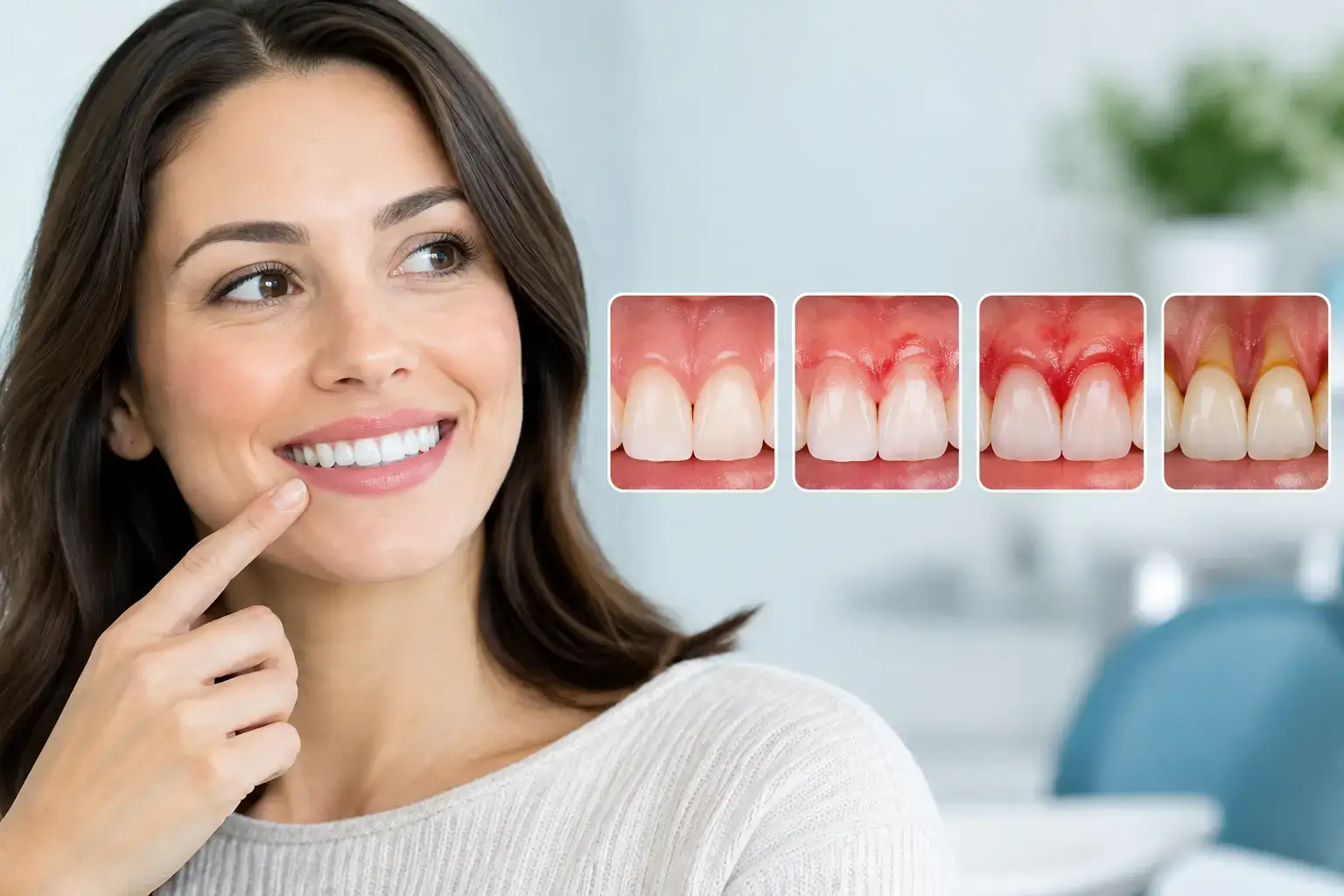
What about bleeding gums?
It is common for gums to bleed when you first start cleaning between your teeth, particularly if plaque has been present and the gums are inflamed. This is not usually a reason to stop. Gentle, daily cleaning often reduces bleeding as the gums become healthier.
However, bleeding should not be ignored indefinitely. If it continues after a week or two of careful interdental cleaning, or if your gums are swollen, sore, receding or producing an unpleasant taste, arrange a dental examination. Persistent bleeding can be a sign of gum disease and deserves professional advice.
Can you use floss and interdental brushes together?
Yes. In fact, this is often the most practical approach. You might use floss between teeth that are tightly touching and an interdental brush where the spaces are wider. There is no requirement to use one product throughout the whole mouth if a mixed method gives you a better clean.
This can be particularly relevant after dental treatment. Bridges, crowns, implants and orthodontic appliances create areas that need tailored cleaning. Standard floss may be suitable in some places, while specialist floss, interdental brushes or another aid may be advised elsewhere. Never force a brush beneath a bridge or around an implant without being shown the correct technique.
At 4 Great Stuart Street, we take a preventive approach to oral health. During a routine examination or hygiene appointment, we can assess your gums, look at the spaces between your teeth and recommend a realistic cleaning routine that suits your mouth and your confidence with the technique.
How to make interdental cleaning a habit
Once a day is usually enough, provided you clean thoroughly. Many people find the evening easiest, when they have more time and can clean before brushing their teeth for the last time that day. The order is less significant than doing it properly and regularly, although cleaning between teeth before brushing may allow fluoride toothpaste to reach those freshly cleaned surfaces.
Keep your floss or brushes somewhere visible, such as beside your toothbrush. Start with the areas that tend to feel most difficult, rather than leaving them until last. If your gums are tender at first, use a light touch and give yourself time to build confidence.
Interdental brushes should be replaced when the bristles become worn or the wire is bent. Depending on the type and how often they are used, this may be every few days or sooner. Floss should be discarded after each use. Reusing either when it is frayed, bent or visibly soiled is not a good substitute for a fresh cleaning aid.
The choice depends on your teeth and gums
There is no single best answer to floss versus interdental brushes. Floss is often the sensible option for tight contacts. Interdental brushes may clean more effectively in accessible gaps, especially for people managing gum disease or cleaning around restorations. A combination is often ideal.
If you are unsure, bring the products you currently use to your next appointment. A few minutes of practical guidance can make daily cleaning more comfortable, more effective and easier to keep up for the long term. Healthy gums are built through small, regular habits, and the right interdental aid is one of the simplest places to start.