Emergency Dental Appointments NHS Guide
Need emergency dental appointments NHS patients can trust? Learn what counts as urgent, how to get help quickly, and what to do while you wait.
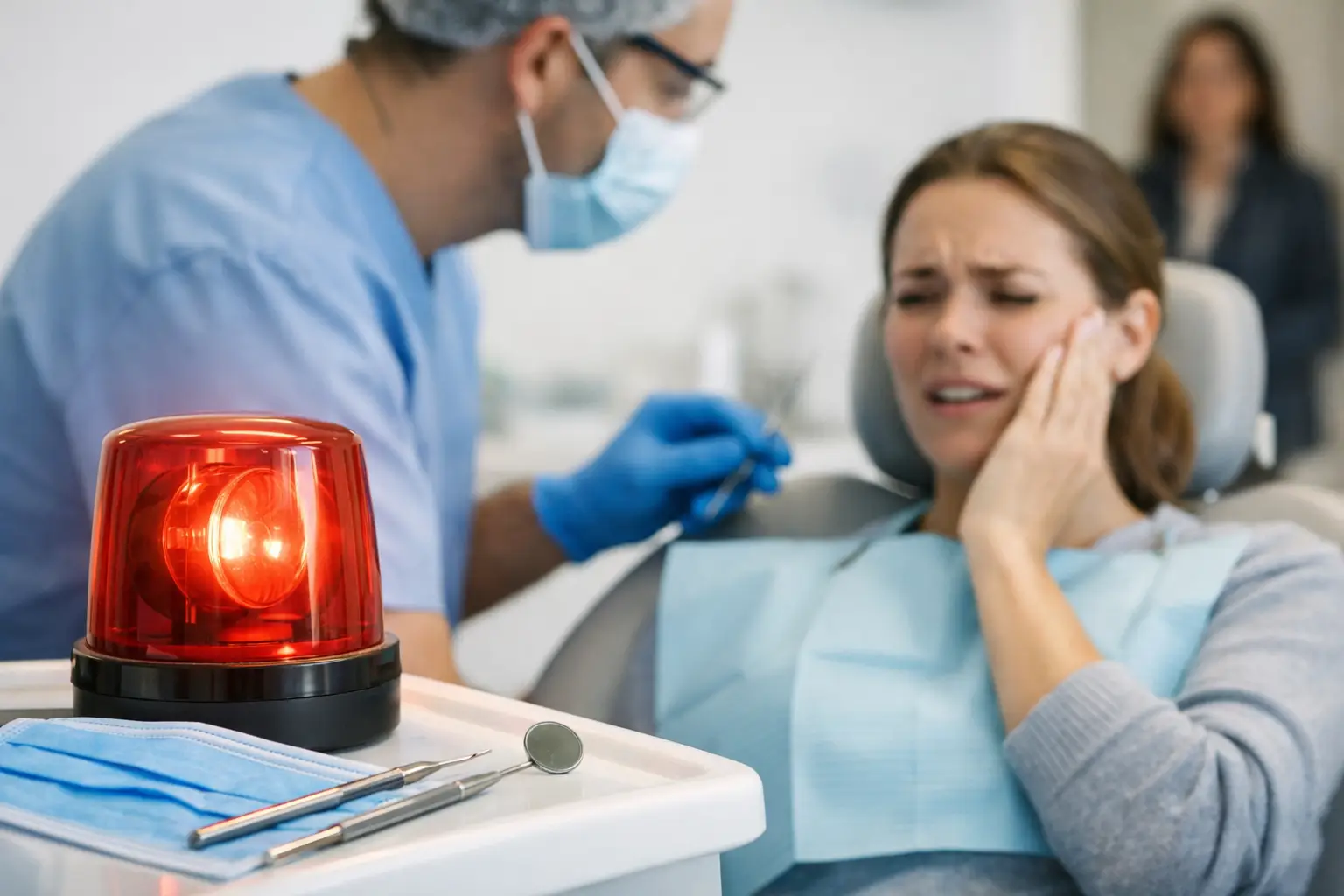
A sudden toothache has a way of taking over everything. Eating becomes difficult, sleep is interrupted, and even concentrating at work can feel impossible. If you are searching for emergency dental appointments NHS services, the most useful thing is to know what counts as a genuine dental emergency, how the system usually works, and when you may need help sooner rather than later.
For many patients, the uncertainty is the hardest part. Dental pain can be severe without looking dramatic, while some visible problems may be less urgent than they seem. A calm, informed approach helps you get the right care at the right time.
What counts as an NHS dental emergency?
An NHS dental emergency usually means a problem that needs urgent attention to stop severe pain, control bleeding, treat infection, or save a tooth where possible. That can include intense toothache that does not settle, swelling in the mouth or jaw, bleeding after an extraction that will not stop, trauma to a tooth, or signs of infection such as a bad taste in the mouth with facial swelling.
Not every dental problem can be seen on the surface. A cracked tooth, for example, may look minor but cause sharp pain when you bite. Equally, a lost filling or crown is not always an emergency in itself, but it can become one if the tooth is exposed, painful, or likely to break further.
There is some judgement involved. A mild chipped tooth with no pain may be inconvenient rather than urgent. A broken tooth with nerve pain, swelling, or difficulty eating is different. If you are unsure, it is always sensible to call a dental practice or NHS service for advice rather than trying to decide alone.
How emergency dental appointments NHS care usually works
Accessing emergency dental appointments NHS care can vary depending on whether you are already registered with a dentist, the time of day, and how urgent the problem is. In hours, your own dental practice is usually the first place to call. Practices will often assess symptoms over the phone and decide whether you need to be seen the same day, within a day or two, or booked for a routine appointment.
If you do not have a regular dentist, or the problem happens out of hours, NHS urgent dental services may direct you to the most appropriate provider. In Scotland, arrangements can differ by local health board, so it is worth checking the current route for urgent dental care in your area. In some cases, you may be triaged by phone before being offered an appointment.
This can feel frustrating when you are in pain, but triage exists for a reason. The aim is to make sure patients with swelling, infection, uncontrolled bleeding, trauma, or severe pain are prioritised properly. It also helps avoid unnecessary waits in settings that are not best equipped to treat dental problems.
When to seek help immediately
Some symptoms need prompt attention and should not be left overnight in the hope that they settle. Rapid swelling of the face, eye area, or jaw can indicate infection that is spreading. Difficulty swallowing, difficulty breathing, or swelling affecting the airway needs urgent medical attention straight away.
Bleeding that continues after pressure has been applied, especially after an extraction, should also be assessed. The same applies to trauma after a fall, sports injury, or accident where a tooth has been knocked out, loosened, or pushed out of place.
Children need the same careful judgement. A distressed child with swelling, bleeding, or significant pain should be seen quickly. Even when the affected tooth is a milk tooth, infection and pain still matter.
What to expect at an urgent dental appointment
Patients sometimes worry that an emergency appointment will solve everything in one visit. Sometimes it does, but often the first priority is stabilising the situation. That may mean relieving pain, draining infection where appropriate, placing a temporary dressing, smoothing a sharp broken tooth, or prescribing treatment that addresses the immediate problem.
A full restoration may need to wait until the tooth has settled or until more time can be set aside. For example, a badly broken tooth might need temporary protection first, then a filling, crown, or extraction plan after assessment and X-rays. That is not poor care. It is often the safest and most sensible sequence.
Charges can also differ depending on the treatment provided and whether you are eligible for NHS dental care. If you are unsure about fees, ask before treatment begins. Clear pricing is part of good patient care, especially when people are already feeling anxious.
What you can do while you wait
If you are waiting to be seen, there are sensible steps that may help without masking a worsening problem. Over-the-counter pain relief can be useful if you are able to take it safely and according to the packet instructions. Holding warm salty water in the mouth can sometimes soothe irritated gum tissue, and keeping the area clean matters even when it feels tender.
If a tooth has been knocked out, timing matters. Hold it by the crown rather than the root, rinse it gently if dirty, and try to keep it moist. Do not scrub it. If it cannot be placed back carefully, storing it in milk can help preserve it while you seek urgent care.
What should be avoided is just as important. Do not place aspirin directly on the gum, as it can burn the tissue. Do not ignore facial swelling. And do not rely on repeated courses of antibiotics without a proper dental examination. Antibiotics can be useful in some cases, but they do not fix the cause of a dental problem on their own.
Why some “emergencies” are best treated sooner, not later
One of the common misunderstandings around emergency dentistry is the idea that unless you are in extreme pain, the problem can wait. In practice, a smaller issue left alone often becomes the true emergency. A lost filling can lead to a fracture. A cracked tooth can become infected. Mild sensitivity can turn into pain that keeps you awake.
That is why continuity of care matters. A practice that knows your history can often spot patterns, advise quickly, and help you avoid repeat urgent visits. It also means treatment can be planned properly after the immediate problem has been dealt with.
For patients in Edinburgh, especially those balancing work, family life, and the practical demands of city living, convenience matters too. Same-day advice and prompt assessment are not luxuries when dental pain is affecting sleep, eating, and daily routine. At an established practice such as 4 Great Stuart Street, urgent care works best as part of a wider commitment to long-term oral health rather than a one-off fix.
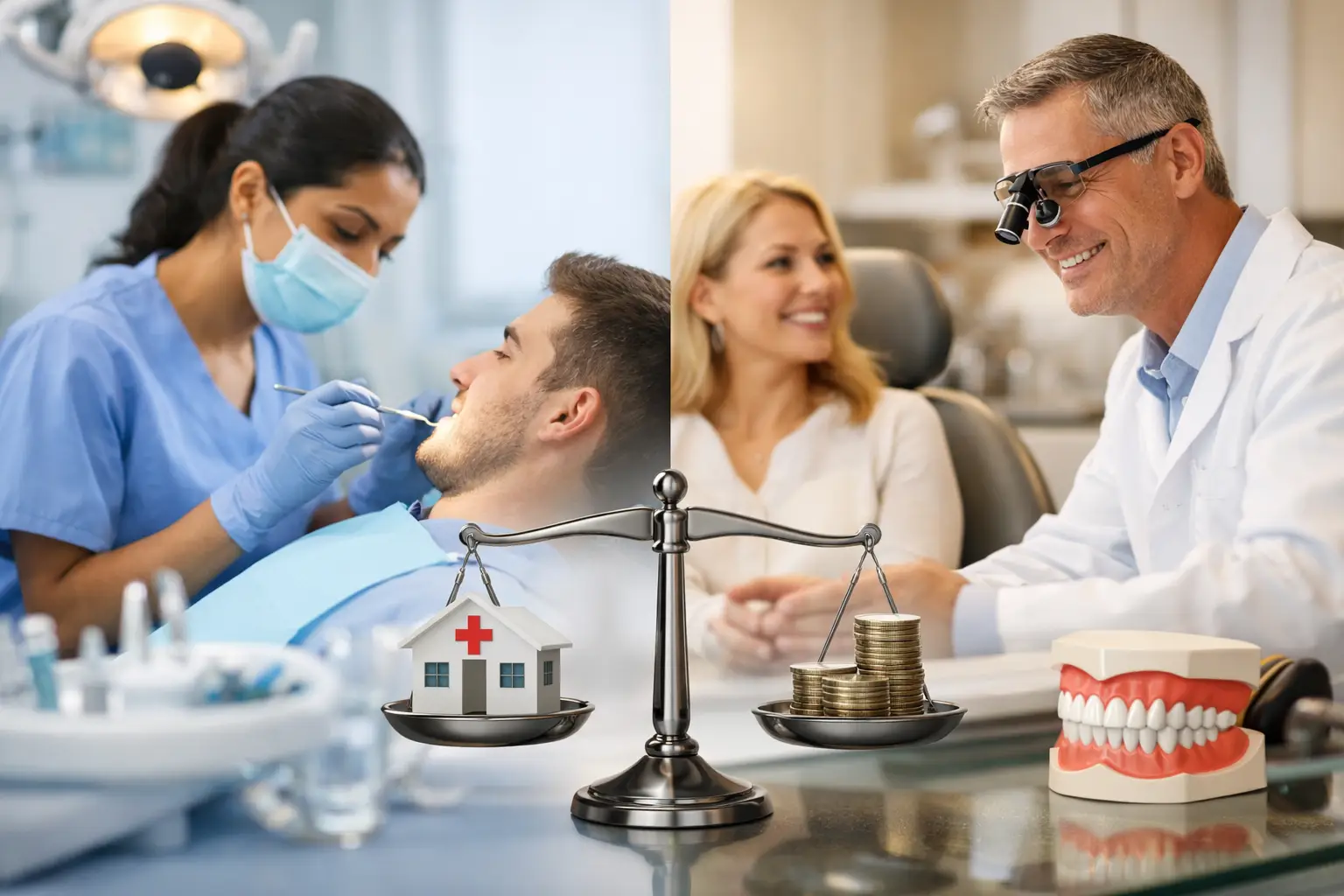
Emergency dental appointments NHS or private care?
This is where the answer often depends on urgency, availability, and personal preference. NHS emergency care is appropriate and valuable for many urgent dental problems. It is designed to make necessary treatment accessible, particularly where pain, infection, or trauma need prompt attention.
Private emergency appointments may offer faster access, longer appointment times, or wider treatment options on the day, depending on the practice. For some patients, that extra flexibility is worth it. For others, NHS care is the right route. Neither choice is inherently better in every case. The priority is being seen safely and without unnecessary delay.
What matters most is that you do not postpone seeking advice because you are unsure which route to take. A quick phone call can often clarify whether your symptoms sound urgent and what the most appropriate next step is.
How to make urgent dental care less likely
No dentist can promise you will never need an emergency appointment. Teeth can break unexpectedly, infections can flare up, and accidents happen. But regular check-ups, hygiene visits, and early treatment do reduce the chances of a painful surprise.
This is particularly true for old fillings, worn teeth, gum problems, and habits such as clenching or grinding. Many urgent appointments begin with an issue that was manageable months earlier. Preventive care may not feel dramatic, but it is often what saves patients from the distress of last-minute treatment.
If you are ever unsure whether your symptoms justify urgent attention, trust the fact that dental pain and swelling are worth taking seriously. Asking for help early is not making a fuss. It is often the most sensible thing you can do for your health and peace of mind.