Can a Cracked Tooth Be Saved?
Can a cracked tooth be saved? Learn when a cracked tooth can be repaired, when it cannot, and which treatments may protect your tooth.
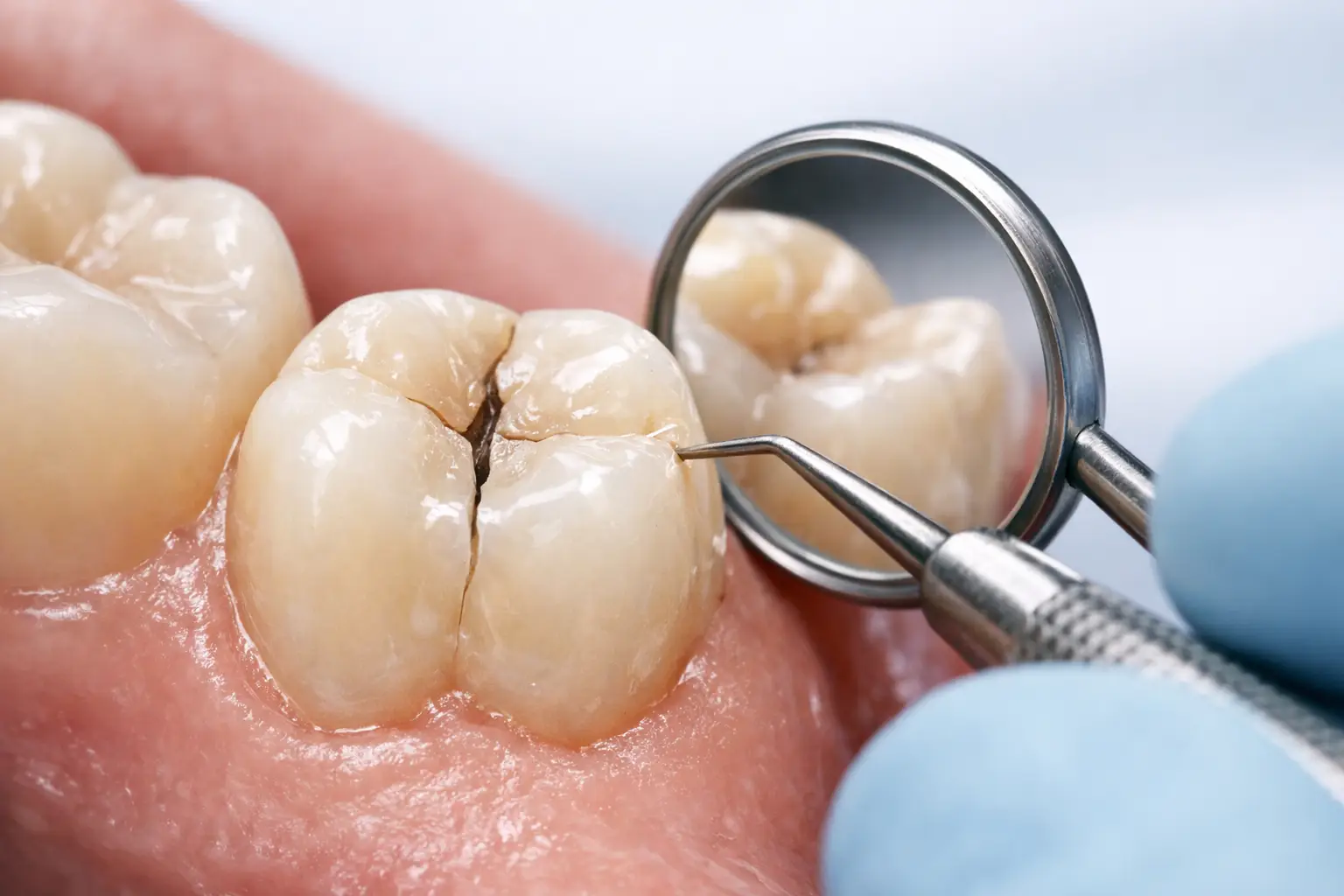
That sharp twinge when you bite into toast, a seed, or even something quite ordinary can raise an immediate worry: can a cracked tooth be saved? In many cases, yes - but the answer depends on how deep the crack runs, whether the nerve is involved, and how quickly the tooth is assessed.
A cracked tooth is not always dramatic. Some people feel a sudden pain after biting on something hard. Others notice occasional sensitivity to cold, sweetness, or pressure that comes and goes. Because the signs can be subtle, it is easy to leave it for a few days and hope it settles. Unfortunately, cracks rarely heal on their own, and delay can make a restorable tooth harder to save.
Can a cracked tooth be saved in every case?
Not every cracked tooth can be preserved, but many can. Teeth do not repair themselves in the way skin or bone can, so the aim is usually to stop the crack from worsening, protect the remaining tooth structure, and restore comfortable function.
If the crack is small and limited to the outer part of the tooth, treatment may be relatively straightforward. If it extends into the pulp, where the nerve and blood supply sit, the tooth may still be saved with root canal treatment followed by a crown. If the crack travels too far below the gum line or splits the tooth into separate sections, saving it becomes much less predictable.
This is why an early examination matters so much. A tooth that might have been protected with a filling or crown at one stage may later require extraction if the crack deepens.
What kinds of tooth cracks are there?
The word "cracked" covers several different problems, and they do not all carry the same outlook.
Tiny surface lines in the enamel, often called craze lines, are very common. They are usually cosmetic and may not need treatment at all. A cracked cusp, where part of the chewing surface has weakened, often affects a tooth with a large filling. This sort of crack can frequently be managed well because it does not always reach the nerve.
A more serious cracked tooth usually means a fracture running from the biting surface down towards the root. These can be uncomfortable because the tooth flexes very slightly under pressure. Split teeth are more advanced, where the crack has separated the tooth into distinct parts. Vertical root fractures begin lower down, often in the root, and can be difficult to detect early.
For patients, the important point is simple: the deeper and more extensive the crack, the harder it is to save the tooth long term.
Signs your cracked tooth needs prompt attention
Pain is not always constant. In fact, one of the classic signs of a crack is pain when biting, especially when releasing the bite. You may also notice sensitivity to cold drinks, intermittent discomfort with hot food, or a feeling that one tooth is suddenly "not quite right".
Sometimes there is visible damage, but not always. A tooth can have a significant crack with very little to see in the mirror. Swelling around the gum, pain that wakes you at night, or tenderness when chewing can suggest the crack has reached the nerve or caused infection, which needs prompt dental care.
If a piece of tooth has broken away, or if biting is painful enough that you start chewing only on one side, it is sensible to arrange an appointment sooner rather than later.
How a dentist decides whether a cracked tooth can be saved
Saving a cracked tooth is not just about spotting a line in the enamel. The real question is whether the remaining tooth is strong enough to function once it has been treated.
Your dentist will usually assess the tooth clinically, ask about the pattern of pain, and check how the tooth responds to pressure and temperature. X-rays can help, although cracks themselves are not always visible on them. Sometimes the diagnosis depends on a combination of symptoms, examination findings, and seeing whether there is movement in part of the tooth.
The position of the crack matters a great deal. Cracks above the gum line are generally more favourable than those running deep below it. The amount of healthy tooth left also matters. Even if a tooth can technically be repaired, the long-term prognosis may be poor if very little sound structure remains.
That is where careful, patient-centred advice is important. In a practice built on trust, the goal is not simply to preserve a tooth at any cost, but to recommend the option that is most stable, safe, and realistic over time.
Treatment options for a cracked tooth
Treatment depends on the extent of the damage. In mild cases, smoothing a rough area or placing a bonded filling may be enough to protect the tooth. Where a larger portion of the tooth is weakened, an onlay or crown is often used to hold the tooth together and reduce the risk of the crack spreading.
If the crack has irritated or damaged the pulp, root canal treatment may be needed before the tooth is restored with a crown. This removes the inflamed or infected nerve tissue and allows the tooth to remain in place. For many patients, this is the point at which the answer to "can a cracked tooth be saved" is still yes - but the treatment is more involved than a simple repair.
If the crack extends too far down the root, or if the tooth is split beyond predictable repair, extraction may be the safer option. When that happens, the conversation should also cover how best to replace the tooth if needed, whether with a bridge, denture, or implant, depending on the site and your circumstances.
When a crown can save a cracked tooth
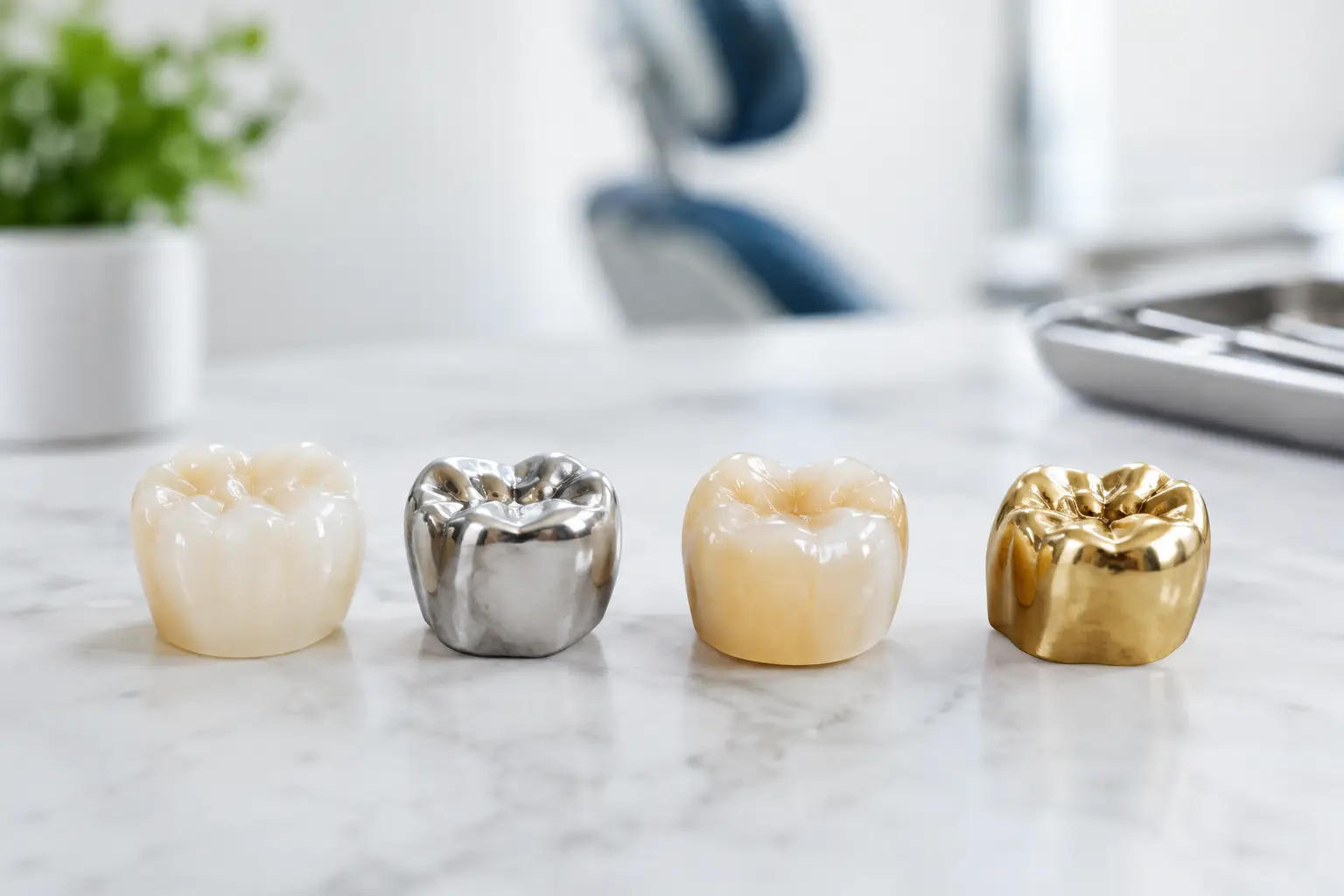
A crown is one of the most common ways to protect a cracked tooth that still has a good chance of survival. It covers the visible part of the tooth and helps distribute biting forces more evenly. That can reduce the risk of the crack widening each time you chew.
Crowns are especially helpful for back teeth, which take heavy pressure, and for teeth that already have large fillings. However, a crown is not a guarantee in every case. If the crack has already passed beyond the point where the tooth is structurally stable, covering it may not be enough.
This is one reason dentists are often cautious when discussing prognosis. The treatment may be entirely appropriate, while still carrying some uncertainty if the crack is deep.
What if the nerve is affected?
Once the nerve becomes inflamed, pain may move from occasional sensitivity to more persistent throbbing or lingering discomfort with hot or cold. At that stage, a filling or crown alone may not settle the tooth.
Root canal treatment can often save the tooth if the crack has not made it non-restorable. Afterward, the tooth is usually strengthened with a crown. Many teeth continue to function well for years after this sort of treatment, particularly when addressed before the crack worsens further.
When a cracked tooth cannot be saved
There are situations where keeping the tooth is simply not the best option. A crack that runs vertically down the root, a tooth that has split into separate pieces, or a fracture extending deep below the bone level usually has a poor outlook.
In those cases, trying to hold onto the tooth can lead to repeated pain, infection, and expense without a reliable result. Ethical dentistry means being clear about that. Patients are generally better served by honest advice than false reassurance.
If extraction is necessary, it does not mean the situation is beyond repair. It means the focus shifts from saving the original tooth to restoring comfort, appearance, and function in the most dependable way.
What to do before your appointment
If you think you may have cracked a tooth, avoid chewing on that side and steer clear of very hard foods such as nuts, crusty bread, or boiled sweets. If the tooth is sensitive, very hot and very cold foods may aggravate it. Keep the area clean with gentle brushing.
Over-the-counter pain relief may help if needed, provided it is suitable for you. What matters most, though, is not testing the tooth repeatedly to see if it still hurts. Each heavy bite can place the crack under more stress.
If the pain is severe, swelling develops, or a large piece of tooth has broken away, urgent assessment is sensible. Practices offering same-day emergency appointments can be particularly helpful in these situations, especially when the priority is to stabilise pain and protect the tooth quickly.
Can a cracked tooth be saved if you wait?
Sometimes, but waiting always adds risk. A small crack can become a large one. A tooth that is only sensitive today may become infected next week. The earlier the problem is diagnosed, the more options there tend to be.
At 4 Great Stuart Street, this is exactly the sort of situation where calm, prompt advice matters. Patients are often understandably anxious when a tooth suddenly feels damaged, but early assessment can make the difference between a straightforward restoration and losing the tooth altogether.
If you suspect a crack, the most helpful next step is a professional examination rather than guesswork. A cracked tooth does not always mean the worst, and many can be treated successfully when seen in time. Acting early gives your tooth the best chance of being saved - and gives you clearer answers, faster.