A Guide to Oral Cancer Screening at the Dentist
A guide to oral cancer screening explains your dental check, symptoms to watch for and when to arrange a prompt appointment in Edinburgh if concerned.
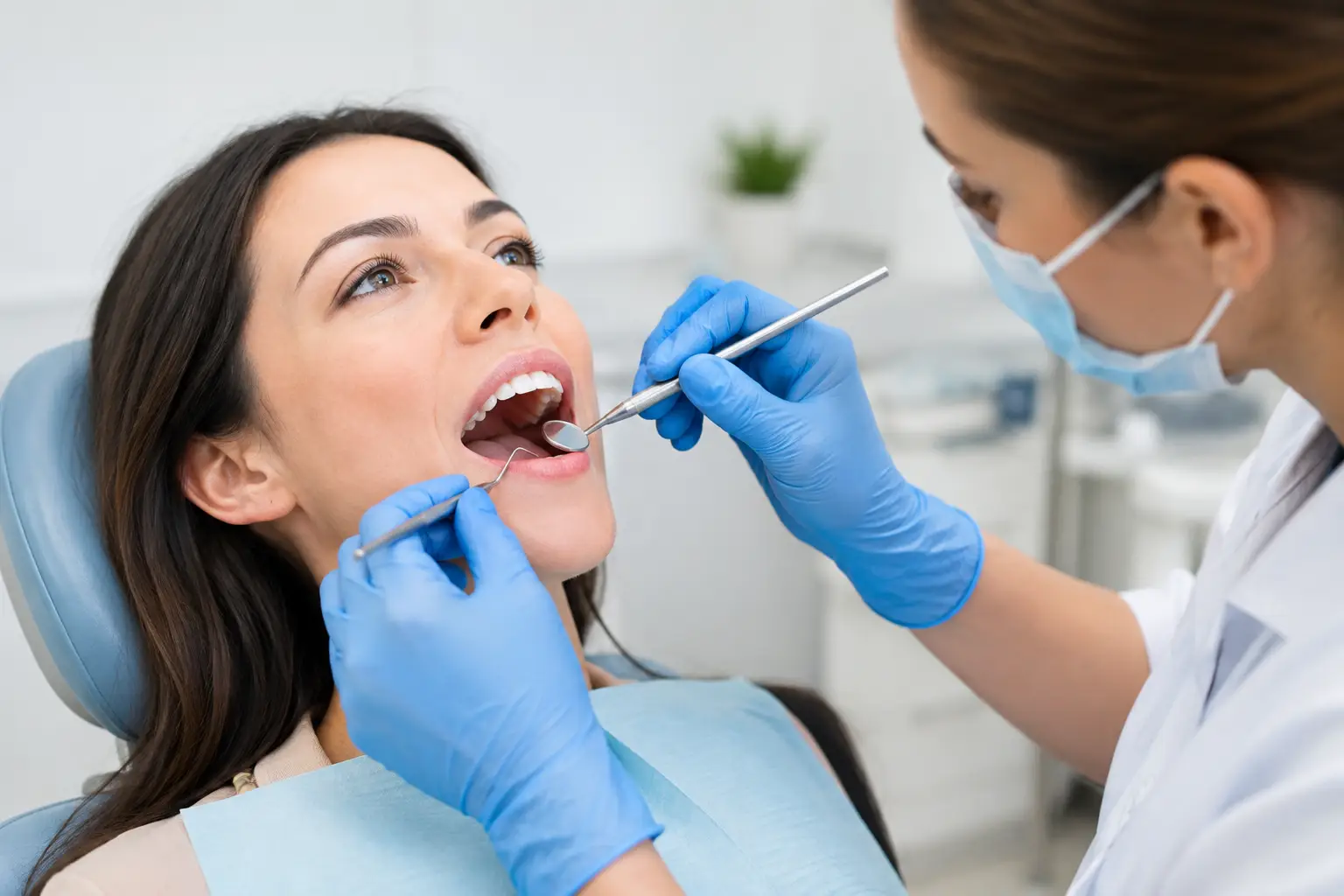
Most oral cancer checks take only a few minutes as part of a routine dental examination, yet they can be one of the most valuable parts of your visit. A guide to oral cancer screening can help you understand what your dentist is looking for, why regular checks matter and which changes should never be ignored.
Oral cancer can affect the mouth, lips, tongue, throat and surrounding tissues. It is not always painful in its early stages, which is why a professional examination matters even when your teeth feel fine. Finding a suspicious change early can make treatment more straightforward and improve outcomes.
What is oral cancer screening?
Oral cancer screening is a visual and physical examination of the soft tissues in and around your mouth. During a check-up, your dentist is not only assessing your teeth and gums. They are also looking for unusual changes to areas such as your lips, cheeks, tongue, palate, floor of the mouth, jaw and neck.
Screening is not the same as a diagnosis. If your dentist sees an area that needs closer attention, they may monitor it, arrange another review or refer you to an appropriate specialist. Many mouth changes are harmless and may be linked to irritation, infection, injury or another non-cancerous cause. The purpose of screening is to make sure anything unusual is assessed promptly rather than left to chance.
For most patients, this check is simply part of ongoing preventive care. It does not usually require any preparation, special equipment or discomfort.
What happens during an oral cancer screening appointment?
Your dentist will begin by asking whether you have noticed any persistent changes, discomfort, sores, altered sensation or difficulty with speaking, swallowing or chewing. Being open about these symptoms, however minor they may seem, gives your dentist useful context.
They will then examine your face, lips and mouth under good lighting. You may be asked to move your tongue, open wide or lift your tongue so that the tissues beneath it can be seen. Your dentist may gently feel your jaw, neck and the tissues inside your mouth to check for unusual swelling, thickening or lumps.
The examination is normally quick and should not hurt. If you are anxious about dental appointments, it can help to say so at the start. A considerate practice will explain what it is doing as it goes and allow time for any questions.
Areas your dentist will check
The examination usually includes the lips, gums, inner cheeks, roof of the mouth, tongue, the floor of the mouth, throat area and lymph nodes in the neck. Some changes can be difficult to spot yourself, particularly those on the sides or underside of the tongue and towards the back of the mouth.
A dentist may also consider factors that can affect your risk, including tobacco use, alcohol consumption, sun exposure to the lips and previous mouth conditions. This is not about judgement. It helps ensure that the advice and recall interval are right for you.
Signs and symptoms worth checking
Mouth ulcers are common and often heal without treatment. The key consideration is whether a change clears as expected. Contact a dentist or GP if you notice any of the following for three weeks or more, or sooner if you are concerned:
- an ulcer, sore or area of irritation that does not heal
- a red, white or mixed red-and-white patch in the mouth
- a lump, swelling, thickened area or unexplained bleeding
- persistent pain, numbness or a change in how your teeth, dentures or bite fit
- difficulty chewing, swallowing, speaking or moving your jaw or tongue
- a persistent sore throat, hoarse voice or a lump in the neck
These symptoms do not automatically mean oral cancer. For example, a sharp tooth, poorly fitting denture or accidental cheek-biting can create a sore area. However, a dental professional should check any symptom that persists, recurs or seems unusual for you.
Do not wait for your next routine check-up if you have a concern. A prompt appointment is the sensible next step, particularly if a sore is getting worse, bleeding unexpectedly or affecting eating and swallowing.
Who should have an oral cancer check?
Everyone benefits from having the soft tissues of the mouth examined at regular dental check-ups. Oral cancer is more common in older adults, but it can affect younger people too. Your personal risk is influenced by a combination of factors rather than age alone.
Tobacco, including smoking and smokeless tobacco, is a significant risk factor. Higher alcohol intake can also increase risk, especially alongside tobacco use. Infection with certain types of human papillomavirus, or HPV, is associated with some cancers in the throat area. Regular, excessive sun exposure can raise the risk of cancer affecting the lips.
It is equally worth remembering that some people diagnosed with oral cancer have none of the better-known risk factors. That is another reason why screening should be a normal part of routine dentistry, not something reserved only for patients who smoke.
How often should screening take place?
For many people, oral cancer screening is included at every dental examination. The interval between check-ups varies. It depends on your oral health, medical history, previous dental treatment and whether your dentist is monitoring a particular issue.
Some patients need more frequent visits because of gum disease, recurrent mouth problems, complex restorations or a higher individual risk. Others may have a longer recall interval when their mouth is healthy and stable. Your dentist should explain the reason for their recommendation clearly, so you can make an informed decision about your ongoing care.
Between appointments, take notice of your mouth when brushing your teeth. You do not need to perform a formal self-examination or worry over every small variation. The aim is simply to recognise what is normal for you and act if a visible change or symptom does not settle.
Reducing risk while protecting your oral health
No screening process can prevent every case of oral cancer, but sensible lifestyle choices can reduce risk. Avoiding tobacco is one of the most meaningful steps. Keeping alcohol intake within lower-risk guidance, protecting your lips from strong sun and maintaining regular dental visits all support better oral health.
Good mouth care also makes it easier to spot changes. Brush twice daily with fluoride toothpaste, clean between your teeth in the way recommended by your dental team and attend hygiene appointments where appropriate. These habits will not replace a screening examination, but they help keep your mouth healthier and allow concerns to be identified sooner.
If you wear dentures, bridges or other dental appliances, let your dentist know about rubbing, loose areas or recurring sore spots. A denture that has previously fitted well but begins to feel different should be reviewed rather than adjusted at home.
When to arrange an appointment
An oral cancer check is a routine, calm part of dental care, but persistent symptoms deserve timely attention. At 4 Great Stuart Street, patients can raise a concern during a check-up or arrange an appointment if something does not feel right. You do not need to be certain what the problem is before getting in touch.
A small change may be nothing serious, and that reassurance can be valuable. If it does need further assessment, acting early gives you the best possible starting point. Looking after your mouth means paying attention to the everyday details and allowing a trusted dental team to do the same.