A Guide to Professional Teeth Cleaning
A guide to professional teeth cleaning, including what happens at the appointment, benefits, costs, and how often patients should attend.
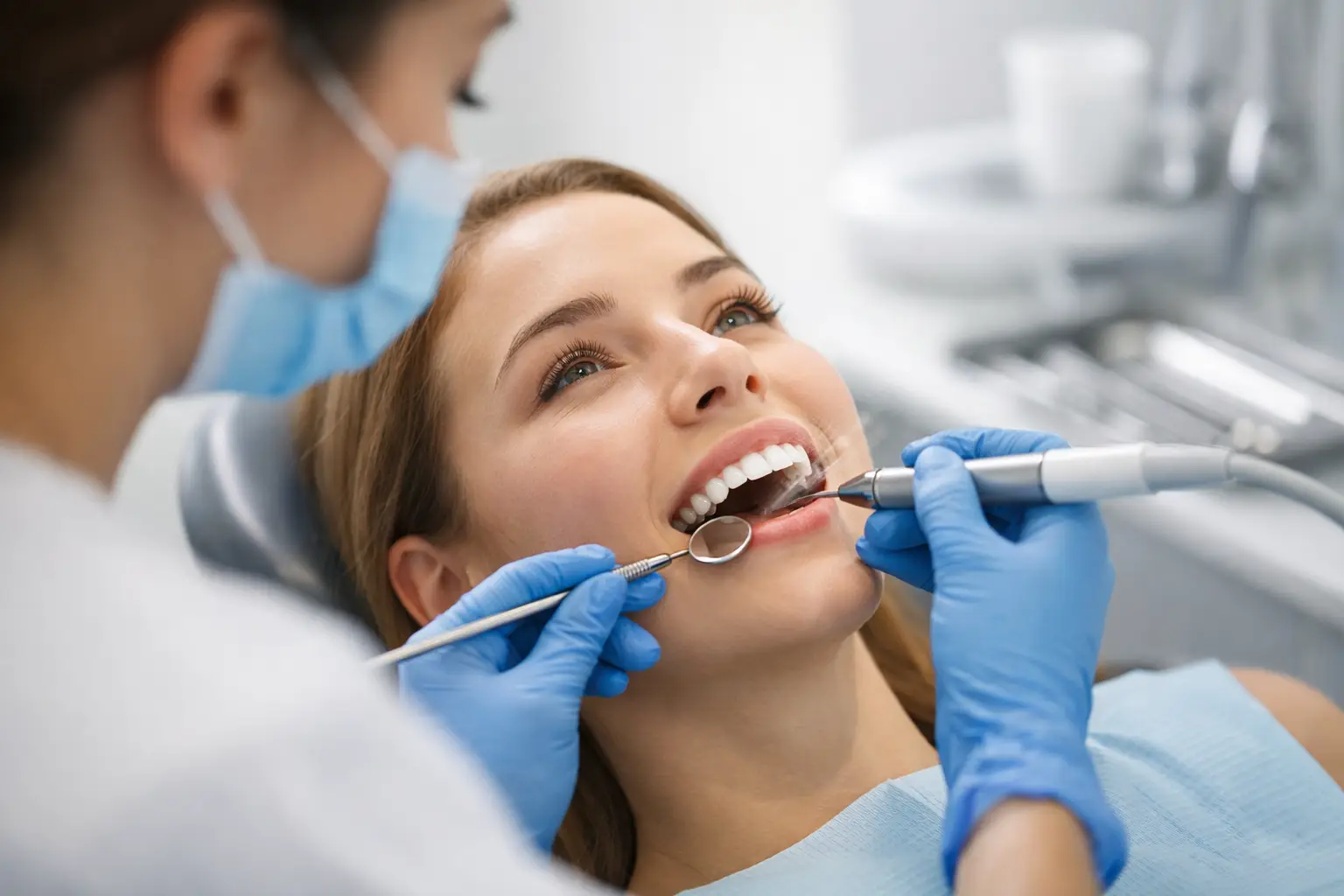
If your teeth feel clean after brushing, it is easy to wonder whether a hygiene visit is really necessary. A good guide to professional teeth cleaning starts with a simple point: even careful brushing at home cannot always remove hardened deposits, reach every area effectively, or spot the early signs of gum problems.
Professional teeth cleaning is not only about appearance. It is part of preventive dental care that helps protect gums, reduce plaque and tartar build-up, and support fresher breath over time. For many patients, it also offers reassurance - especially if they have not been to the dentist in a while, have sensitive gums, or simply want a clear, practical plan for looking after their oral health.
What professional teeth cleaning actually means
In most practices, professional teeth cleaning is carried out by a dentist or dental hygienist. The aim is to remove plaque and tartar that regular brushing and flossing cannot fully manage, particularly around the gumline and in harder-to-reach areas.
Plaque is the soft film of bacteria that forms on teeth every day. If it is not removed thoroughly, it can harden into tartar, which cannot be brushed away at home. Once tartar is present, it creates a rougher surface that makes further plaque build-up more likely. That is one reason gum inflammation can become a cycle if it is left unchecked.
A cleaning appointment may also include advice on brushing technique, interdental cleaning, and products that suit your mouth. That matters because there is no single routine that works for everyone. Someone with tightly spaced teeth, for example, may need a different approach from someone with crowns, implants, braces, or early gum recession.
A guide to professional teeth cleaning at your appointment
One of the most common concerns is not knowing what will happen on the day. In reality, the appointment is usually straightforward, measured, and tailored to what your mouth needs.
The clinician will first look at your teeth and gums, often checking for plaque accumulation, tartar, bleeding, gum inflammation, staining, and any areas that are difficult to keep clean. If there are signs of gum disease, the cleaning may be adjusted accordingly. A routine scale and polish is suitable for many patients, but deeper cleaning may be advised where gum health has already been affected.
The scaling stage removes plaque and tartar from the teeth, often using an ultrasonic scaler and hand instruments. You may hear scraping noises or feel water around the teeth, but this is normal. If deposits are heavier, the process can take longer, particularly behind the lower front teeth or around the back molars where build-up often collects.
After scaling, the teeth may be polished to help remove surface staining and leave the surfaces smoother. Polishing can improve how the teeth feel, although it is worth being clear that it does not whiten teeth in the same way as a whitening treatment. It lifts external stains, but it does not change the natural shade of the enamel.
Some patients also receive a fluoride treatment, depending on their risk of decay and overall oral health. Others may leave with specific guidance on how to clean around restorations, implants, dentures, or orthodontic appliances.
Does professional teeth cleaning hurt?
This depends on the condition of your gums, the amount of tartar present, and how sensitive your teeth are. For many patients, the treatment is mildly uncomfortable rather than painful. If the gums are inflamed or there is a lot of build-up, some tenderness is more likely.
That said, good clinicians do not take a one-size-fits-all approach. If you are nervous, have had unpleasant dental experiences before, or know you have sensitivity, it helps to say so early. Appointments can often be paced more gently, with breaks where needed and clear explanation throughout.
A small amount of bleeding can happen if the gums are inflamed, especially during or just after cleaning. This can look worrying, but it is often a sign that the gums need attention rather than a sign that anything has gone wrong. In many cases, improved home care and regular hygiene visits reduce bleeding over time.
The main benefits of professional cleaning
The most obvious benefit is a cleaner feel in the mouth, but the longer-term value is usually in prevention. Removing tartar and reducing bacterial build-up can help lower the risk of gingivitis and support healthier gums.
Professional cleaning can also help with persistent bad breath, particularly when the cause is plaque retention around the teeth and gumline. If breath concerns continue after cleaning, however, it may point to another cause, so it is sensible not to assume hygiene treatment alone will always solve it.
There is also a cosmetic benefit. Tea, coffee, red wine, and tobacco can all leave surface staining. A scale and polish can often improve this noticeably, although the result depends on the nature of the stain and the original shade of the teeth.
For patients investing in crowns, bridges, implants, aligners, or whitening, regular cleaning is often part of protecting that investment. Healthy gums and good maintenance matter just as much as the treatment itself.
How often should you have professional teeth cleaning?
There is no universal timetable, which is why any honest guide to professional teeth cleaning has to allow for individual need. Some patients do well with visits every six months. Others may benefit from more frequent appointments, especially if they have gum disease, smoke, wear braces, or find plaque control difficult.
If your gums are healthy and you keep your teeth very clean at home, you may not need hygiene treatment as often as someone managing recurrent inflammation. Equally, if you have restorations, implants, or dexterity issues that make brushing and interdental cleaning harder, a regular maintenance plan can be very worthwhile.
The best interval is usually based on clinical findings rather than guesswork. That is where continuity of care helps. When the same practice follows your oral health over time, recommendations tend to be more personal and more useful.
What professional cleaning cannot do
It helps to go into the appointment with realistic expectations. Professional cleaning can remove tartar and many external stains, but it does not repair cavities, straighten teeth, replace missing enamel, or deliver the same result as whitening.
It is also not a substitute for daily home care. If plaque is allowed to build up again between visits, gum inflammation can return quickly. Think of hygiene treatment as support for your routine, not a replacement for it.
In more advanced cases of gum disease, a standard clean may not be enough. Some patients need more focused periodontal treatment and careful review. That is not a reason to feel alarmed, but it is a reminder that earlier intervention is usually simpler, more comfortable, and more affordable than leaving problems to progress.
How to prepare for a hygiene visit
Most patients do not need to do anything special beforehand. Brush your teeth as normal and arrive with any questions you have been putting off. If you have bleeding gums, sensitivity, pregnancy, a medical condition, or take medication that affects bleeding or dry mouth, mention it at the start of the appointment.
If dental visits make you anxious, say that too. A calm, respectful approach can make a significant difference, and many patients find that routine hygiene appointments become much easier once they know what to expect.
After treatment, teeth may feel cleaner and smoother straight away. If there has been more extensive scaling, there may be slight sensitivity for a day or two, particularly with very cold drinks. This usually settles quickly.
Choosing the right practice for professional teeth cleaning
Not all patients are looking for the same thing. Some want a quick polish before an event. Others want help managing long-standing gum issues, improving home care, or rebuilding confidence after avoiding the dentist. The right practice will recognise that difference.
A well-run dental practice should make professional cleaning feel clear, respectful, and unhurried. You should understand what is being done, why it matters, and what to do next. For many patients in Edinburgh, that means choosing a practice built on trust, continuity, and straightforward advice rather than pressure.
At 4 Great Stuart Street, hygiene care sits within that wider picture of preventive dentistry - helping patients maintain healthy teeth and gums in a safe, ethical and relaxed environment. That is especially valuable for families, busy professionals, and nervous patients who want dependable care without fuss.
Professional teeth cleaning is one of the simplest ways to stay ahead of bigger dental problems, and often one of the most reassuring. A clean mouth can feel better on the day, but the real benefit is knowing you are looking after your oral health before discomfort, damage, or more complex treatment become necessary.