Electric Versus Manual Toothbrush: Which Is Best?
Electric versus manual toothbrush: compare cleaning, cost and technique to choose the right brush for your smile, gums and everyday routine at home.
A toothbrush is a small choice with a lasting effect. In the electric versus manual toothbrush debate, the best answer is rarely about owning the most expensive brush. It is about choosing a brush you will use carefully, twice a day, for the full two minutes - and replacing it when the bristles begin to lose their shape.
For many patients, both types can support a healthy smile. The difference lies in how they clean, how easy they are to use well, and whether they suit your gums, teeth and daily routine. A good brush cannot replace regular check-ups and hygiene care, but the right one can make everyday plaque control simpler and more effective.
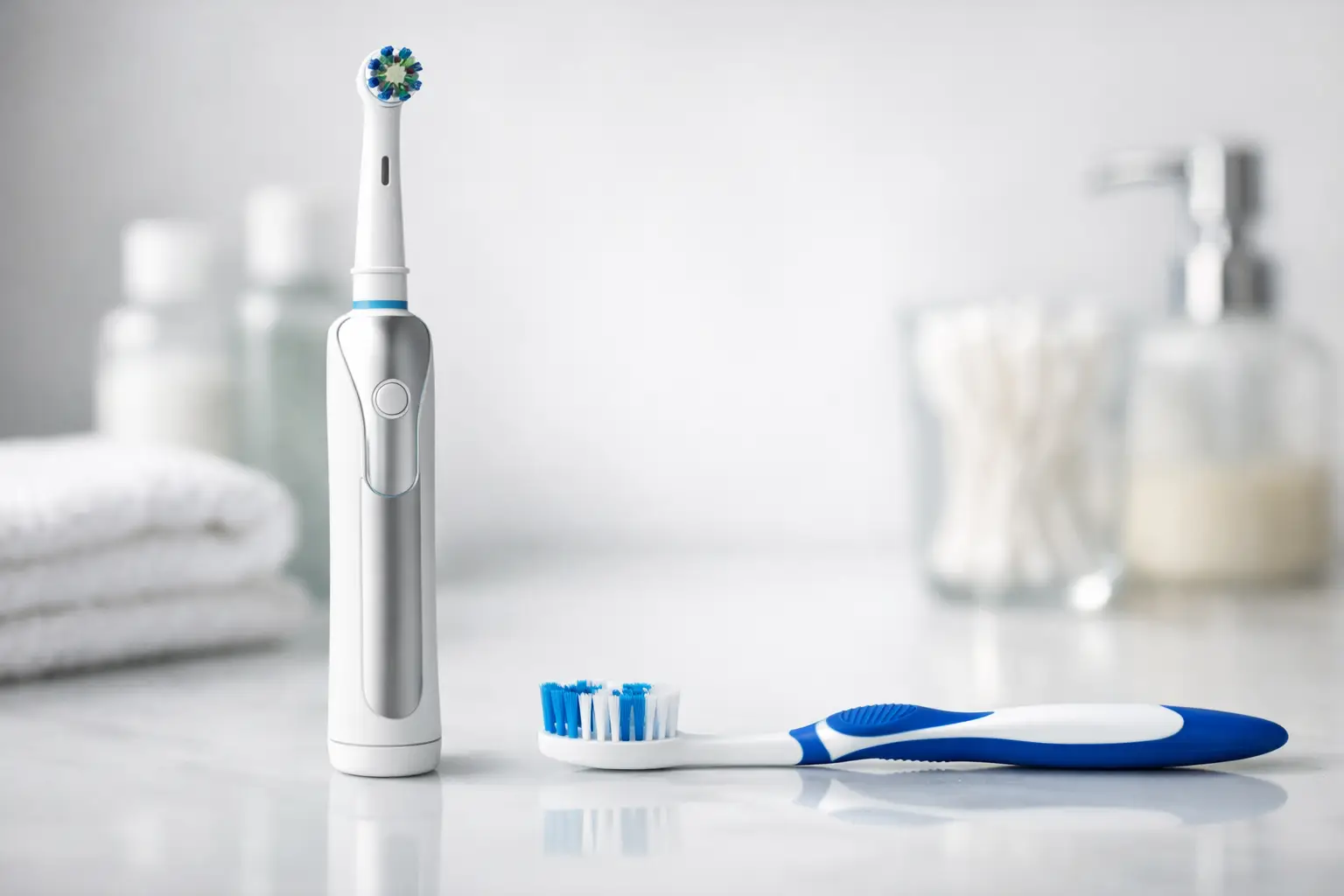
Electric versus manual toothbrush: the main difference
A manual toothbrush relies entirely on your hand movement. With a soft-bristled brush and a gentle, systematic technique, it can remove plaque very effectively. It is inexpensive, easy to carry and needs no charging. For someone with good brushing habits, it remains an excellent choice.
An electric toothbrush creates the brushing movement for you. Depending on the model, its head may rotate, oscillate, vibrate or sweep side to side. This can help people maintain a more consistent technique, particularly around the gum line and difficult-to-reach back teeth. Many also include a built-in two-minute timer and a pressure sensor.
Research generally finds that powered brushes, especially oscillating-rotating designs, can offer a modest improvement in plaque removal and gum health for some users. That does not mean a manual toothbrush is inadequate. It means an electric brush may give certain people a useful advantage in practice.
When an electric toothbrush may be the better choice
The value of an electric brush is often in its guidance rather than its power. A timer helps avoid the common habit of finishing too quickly. Some brushes pulse every 30 seconds, encouraging you to move through each section of the mouth: outer surfaces, inner surfaces and chewing surfaces.
Pressure sensors can be particularly helpful for people who scrub hard. Brushing too firmly does not make teeth cleaner. Over time, it may irritate the gums and contribute to wear near the gum line. If your brush flashes, slows or changes sound when you press too hard, it offers a useful reminder to ease off.
Electric toothbrushes can also suit people who find fine hand movements difficult. This may include older adults, those with arthritis, people recovering from injury, or anyone with limited dexterity. A larger handle and automatic brush movement can make a thorough routine more manageable.
They can be beneficial for teenagers with fixed braces, too. Brackets and wires create additional areas where plaque can collect, and a small powered head may make it easier to clean methodically around them. It still takes care and patience, but the routine can feel less demanding.
For children, an electric brush may make brushing more engaging, especially when it includes a timer. The brush should be age-appropriate, used gently and supervised where needed. The most important factor remains an adult helping younger children brush thoroughly until they have the coordination to do it reliably themselves.
Why a manual toothbrush is still a very good option
Manual toothbrushes are not second best. They are effective, familiar and available in a wide range of head sizes and handle styles. A compact head with soft bristles is often a sensible option because it can reach the back of the mouth without being harsh on the gums.
Cost matters as well. Manual brushes are inexpensive to replace every three months, or sooner after illness or when bristles splay. An electric brush involves the initial cost of the handle, then ongoing replacement heads. For a family, those costs can add up.
A manual toothbrush is also easier when travelling, requires no charging and gives you complete control over speed and pressure. Some people simply prefer it. If you brush for two minutes, use fluoride toothpaste, clean gently at the gum line and reach every surface, there is no clinical need to change purely because an electric option exists.
Technique matters more than the label on the handle
Whether you use a manual or powered brush, aim to brush twice daily with fluoride toothpaste. A pea-sized amount is appropriate for adults and children aged three and over. After brushing, spit out the excess toothpaste but avoid rinsing straight away. Rinsing washes away the fluoride left to protect the enamel.
With a manual toothbrush, angle the bristles gently towards the gum line and use small, controlled movements. Avoid sawing hard across the teeth. Work around the mouth in the same order each time so that no areas are missed, paying particular attention to the inside surfaces of lower front teeth and the outer surfaces of upper back teeth.
With an electric toothbrush, there is no need to scrub. Apply light pressure, guide the brush slowly from tooth to tooth, and allow the head to do the work. Pause briefly on each surface, including where the tooth meets the gum. Rushing an electric brush around the mouth can reduce its benefit just as much as poor manual technique.
Neither brush cleans between the teeth. Interdental brushes, floss or another suitable interdental aid are needed once a day to remove plaque from areas a toothbrush cannot reach. The best choice depends on the spaces between your teeth, the health of your gums and any dental work you have. Your dentist or hygienist can show you a method that is realistic for your routine.
Choosing the right brush for your own needs
If you are deciding between an electric and manual toothbrush, consider what gets in the way of consistent brushing. If you regularly finish in under two minutes, miss areas, brush too hard or struggle with your grip, an electric brush with a timer and pressure sensor could be a worthwhile investment.
If you already have excellent technique, prefer a simpler routine or want to keep costs low, a soft manual brush is entirely appropriate. There is no benefit in buying a sophisticated electric brush if it remains uncharged in a drawer or if replacement heads are not changed regularly.
Look for soft bristles in either style. Medium and hard bristles can feel as though they clean more aggressively, but they are more likely to cause discomfort when used with pressure. Choose a head small enough to reach behind the last molars, and replace the brush or head every three months. Replace it sooner if the bristles are spread, frayed or visibly worn.
For patients with gum disease, crowns, implants, bridges, dentures or orthodontic appliances, the ideal home-care routine can be more individual. An electric brush may be useful, but the right interdental cleaning aids and technique are equally significant. At 4 Great Stuart Street, we can advise on practical brushing and cleaning choices during a routine examination or hygiene appointment, based on what we see in your mouth rather than a one-size-fits-all recommendation.
A brush should feel comfortable, not punishing
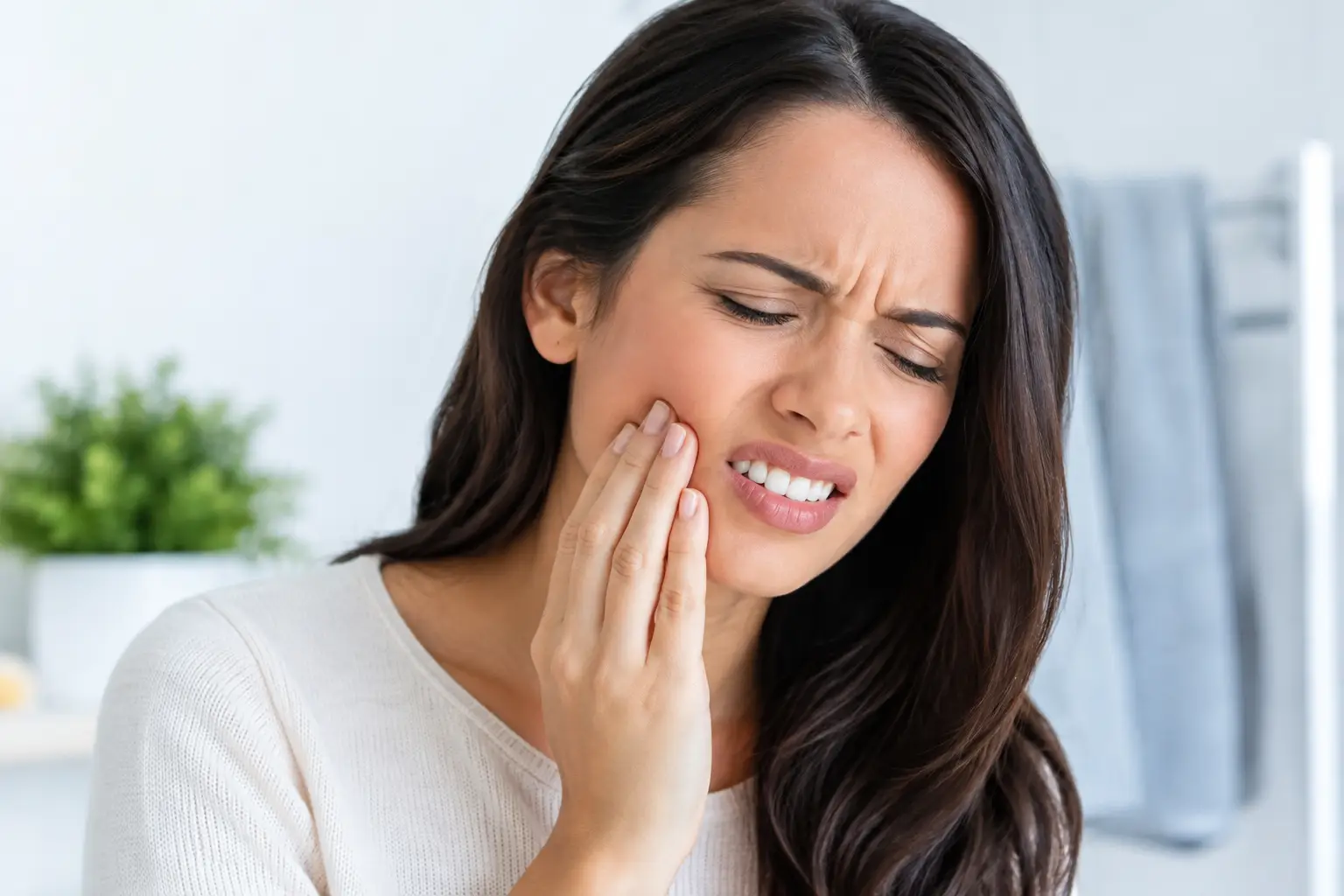
Bleeding gums, persistent sensitivity, sore areas or a feeling that your teeth are becoming longer are reasons to arrange a dental assessment rather than simply switching brushes. These changes can have several causes, and stronger brushing is not the answer.
Choose the toothbrush that helps you be gentle, thorough and consistent. The quiet success is not a particular brand or gadget. It is the reassurance of knowing your daily routine is protecting your smile between visits.