What Causes Sudden Tooth Pain?
What causes sudden tooth pain? Learn the common reasons, what symptoms mean, and when to seek prompt dental care for fast relief.
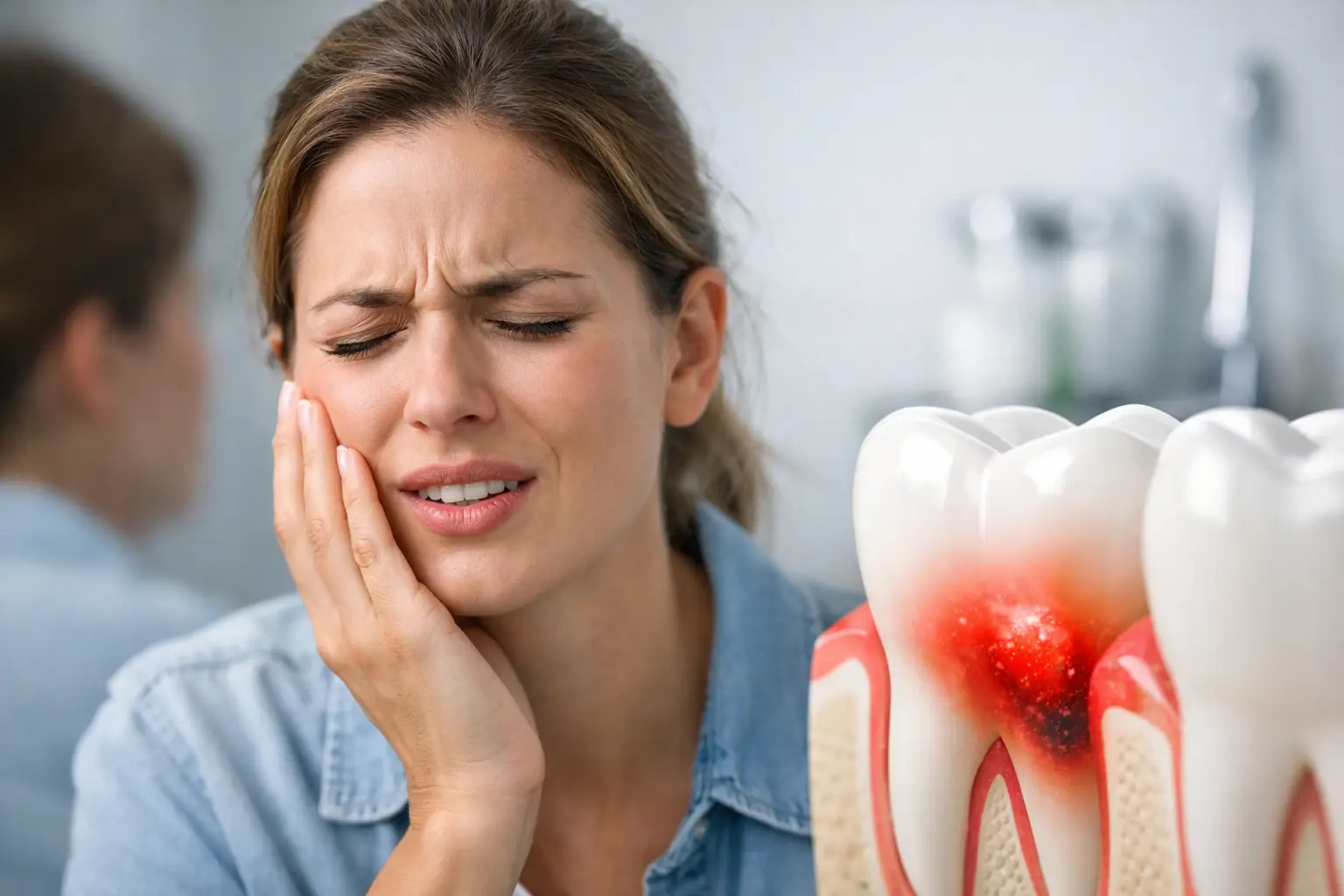
A tooth can feel perfectly normal at breakfast and suddenly become impossible to ignore by lunchtime. If you are wondering what causes sudden tooth pain, the answer is not always as simple as a cavity. Sharp, throbbing or lingering pain can come from several different problems, and some need prompt attention to prevent them getting worse.
Sudden tooth pain is best treated as a sign rather than a diagnosis. In some cases, the cause is minor and straightforward. In others, it points to infection, damage or inflammation deeper inside the tooth or surrounding gum. Understanding the difference can help you decide when to monitor things briefly and when to arrange an appointment without delay.
What causes sudden tooth pain most often?
One of the most common reasons is tooth decay. When decay wears through the outer enamel and reaches the softer dentine underneath, teeth can become sensitive to cold, sweet foods or pressure. If the decay moves closer to the nerve, pain can become stronger, more frequent and more difficult to settle.
A cracked or chipped tooth is another frequent cause. Cracks are not always visible in the mirror, and they do not always happen after a dramatic accident. Biting on something hard, grinding your teeth at night or even an old filling can leave a tooth vulnerable. Pain from a crack is often sharp and unpredictable, especially when biting down or releasing pressure.
Gum problems can also trigger sudden discomfort. If the gum around a tooth becomes inflamed, infected or starts to pull away, the exposed root surface can become very sensitive. This can feel like toothache even when the tooth itself is not the main problem.
Then there is infection. A dental abscess can cause intense throbbing pain, swelling, tenderness when chewing and sometimes a bad taste in the mouth. This is one of the situations where prompt dental care matters most, because infection rarely resolves properly on its own.
Why tooth pain can seem to come out of nowhere
Teeth do not always give much warning. Decay can develop quietly for months, and a crack may only become painful once it reaches a more sensitive area. A filling that has been stable for years can loosen. Gum recession can gradually expose the root until one cold drink suddenly sets it off.
Pain can also be referred, which means the area that hurts is not always the true source. Sinus pressure in the upper jaw can sometimes mimic toothache. Clenching and grinding can make several teeth feel sore at once. Problems with wisdom teeth may cause pain that seems to spread to nearby teeth or the jaw.
This is one reason a proper examination is so valuable. The pattern of pain matters. So does whether it is triggered by heat, cold, sweetness or biting.
Common causes and what they tend to feel like
Decay often begins with sensitivity and may progress to a dull ache or more persistent pain. If hot drinks make the pain worse and it lingers afterwards, the nerve may be involved.
A cracked tooth usually causes pain on biting. Some patients describe it as a quick stab rather than a constant ache. The tooth may look normal from the outside, which can make it frustratingly difficult to identify without a dental assessment.
An abscess typically causes stronger, more continuous pain. You may notice swelling in the gum, tenderness in the face or jaw, or discomfort that keeps you awake. Sometimes the pain briefly eases if pressure is released, but that does not mean the problem has gone.
Exposed roots and gum recession often lead to sharp sensitivity with cold air, cold drinks or brushing. This can appear suddenly if the gum has become inflamed or if brushing has irritated an already sensitive area.
A lost filling or crown can leave part of the tooth exposed and vulnerable. That may cause sensitivity at first, then pain if the tooth is weak or decayed underneath.
What causes sudden tooth pain after eating or drinking?
If pain appears during meals, the trigger itself can offer clues. Sweet foods often point towards decay. Cold drinks may aggravate exposed dentine, gum recession or a cracked tooth. Pain on chewing can suggest a crack, a loose filling, inflammation around the root, or infection at the tip of the tooth.
Hot drinks deserve attention too. Heat that causes pain, especially if it lingers, can be a sign that the pulp inside the tooth is inflamed. That does not always mean root canal treatment will be needed, but it does mean the tooth should be examined sooner rather than later.
Sometimes the issue is food trapped between teeth. This can irritate the gum enough to create localised pain that feels surprisingly sharp. Flossing gently may help if something is lodged there, but if the area remains sore, bleeds repeatedly or swells, it is wise to have it checked.
When sudden tooth pain is a dental emergency
Not every toothache is an emergency, but some symptoms should not be left to chance. Swelling in the gum, cheek or jaw is one. Fever, difficulty swallowing, difficulty opening your mouth, or pain that is rapidly worsening also need urgent attention.
Trauma is another reason to act quickly. If a tooth has cracked after a fall or if part of it has broken away, early treatment may make it easier to protect and restore. Severe pain that prevents sleep or normal eating also justifies an urgent appointment.
If you are ever unsure, it is sensible to ask. A calm conversation with a dental team can help you judge whether the problem can wait a day or two or whether it needs same-day care.
What to do while you are waiting to be seen
Try to keep the area as clean as possible without scrubbing it. Rinse gently with warm salty water if the gum feels inflamed. Avoid very hot, very cold or very sweet foods if they make the pain worse.
Over-the-counter pain relief may help, provided you can take it safely and according to the packet instructions. If biting triggers pain, chew on the other side. If a filling or crown has come away, avoid testing the tooth repeatedly, as that can make the irritation worse.
What matters just as much is what not to do. Do not place aspirin directly on the gum or tooth. Do not ignore swelling. And do not assume the pain has gone for good if it suddenly settles, because some dental infections become less painful temporarily before flaring up again.
How a dentist works out the cause
When someone asks what causes sudden tooth pain, the clinical answer depends on the findings. A dentist will usually start by asking when the pain began, what triggers it, how long it lasts and whether there has been any recent dental work, injury or illness.
The examination may include checking the tooth surface, the gums, existing fillings and your bite. Gentle tapping, temperature testing or radiographs may be used to see whether the nerve, root or bone around the tooth is involved. This is not simply about naming the problem. It is about choosing the right treatment before a smaller issue turns into a larger one.
That treatment might be a filling, smoothing or protecting a cracked area, replacing a restoration, managing gum disease, prescribing care for infection, or planning root canal treatment or extraction if the tooth cannot be saved in a simpler way. The right option depends on the condition of the tooth, your symptoms and the long-term outlook.
Can sudden tooth pain go away on its own?
It can, but that does not necessarily mean the cause has resolved. Mild sensitivity from temporary gum irritation may settle. Pain from sinus pressure may improve as congestion clears. But decay, cracks and infection generally do not repair themselves.
This is where it helps to avoid guesswork. If pain was brief and has completely gone, you may not need an urgent visit, but it is still worth mentioning at your next check-up. If it lasted more than a day or two, returns repeatedly, or was severe enough to disrupt sleep or eating, booking an appointment is the safer choice.
In a long-established practice such as 4 Great Stuart Street, one of the most helpful parts of urgent care is not simply treating pain quickly. It is being able to assess the tooth carefully, explain what is happening and plan the next step in a way that feels calm and clear.
A sensible way to think about sudden tooth pain
Tooth pain is your body asking for attention. Sometimes it is caused by sensitivity or irritation. Sometimes it signals a deeper problem that needs treatment soon. The earlier it is checked, the more straightforward care often is.
If a tooth starts hurting suddenly, do not wait for it to become unbearable before acting. A prompt assessment can bring reassurance as well as relief, and that is often the quickest route back to feeling comfortable and confident again.