Can Dentists Remove Stains From Teeth?
Can dentists remove stains? Learn which tooth marks respond to professional cleaning or whitening, when stains may signal a dental concern, and what to do next.
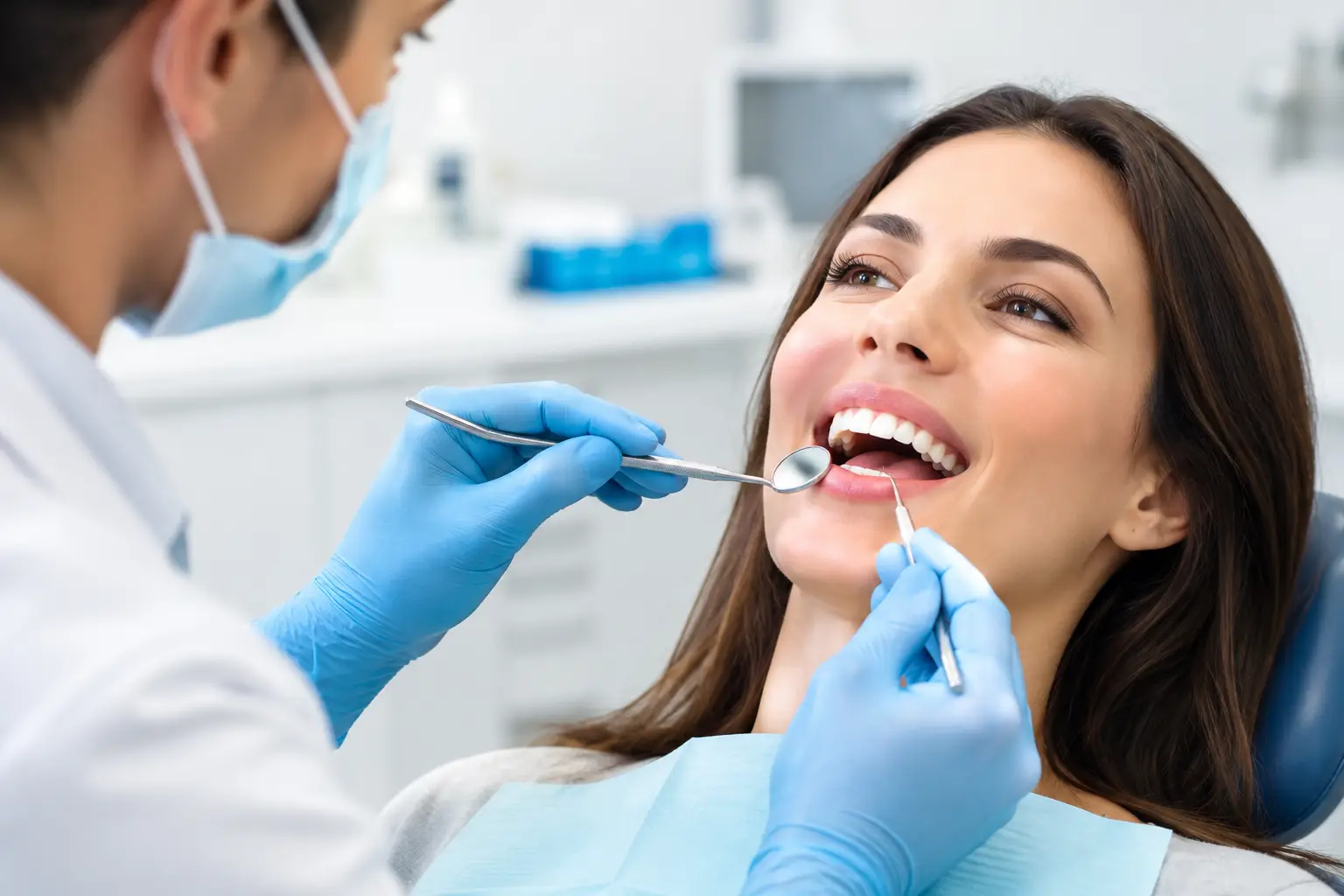
A morning coffee, a glass of red wine or years of smoking can gradually change the appearance of a smile. It is understandable to ask, can dentists remove stains when brushing no longer seems to make a difference? Often, yes - but the right treatment depends on what has caused the discolouration and whether the stain is on the surface or within the tooth itself.
A dental examination offers more than a cosmetic answer. It helps distinguish everyday staining from tartar build-up, decay, a damaged filling or a change in colour that needs closer attention. The aim is not simply to make teeth look brighter, but to do so safely and appropriately for your oral health.
Can dentists remove stains safely?
Dentists and dental hygienists can remove many common surface stains through professional cleaning. Tea, coffee, red wine, tobacco and strongly coloured foods can leave pigment on the outer enamel, particularly where plaque and calculus have collected. A scale and polish removes hardened deposits and surface staining that cannot be properly lifted with a toothbrush alone.
The result can be noticeably fresher and cleaner-looking teeth, although it is worth setting realistic expectations. Professional cleaning returns teeth closer to their natural shade; it does not alter the inherent colour of the enamel. If the natural shade is darker or more yellow than you would like, whitening may be a more suitable option after your teeth and gums have been assessed.
Trying to scrub stains away at home with abrasive powders, harsh charcoal products or overly vigorous brushing can wear down enamel and irritate gums. Once enamel is lost, it does not grow back. A professional approach protects the health of the tooth while addressing its appearance.
Why teeth become stained
Not all discolouration is the same. Surface, or extrinsic, stains sit on the outside of teeth. They are usually associated with diet, smoking, plaque and calculus, and often respond well to hygiene treatment.
Internal, or intrinsic, changes begin within the tooth. They may follow an injury, previous root canal treatment, certain medicines taken during tooth development, or natural changes in the dentine beneath enamel. Teeth can also appear darker as enamel thins over time and more of the naturally yellow dentine shows through.
A single tooth that becomes grey, brown or noticeably darker deserves particular attention, especially if the change is recent. It may be harmless, but it can also indicate previous trauma or a problem affecting the nerve of the tooth. In that situation, whitening alone may not be the right answer.
Professional cleaning for surface stains
For many patients, a hygiene appointment is the most sensible first step. The clinician will remove plaque and calculus, clean around the gum line and polish away accessible surface staining. This can make a substantial difference where staining has accumulated around the lower front teeth, between teeth or near old fillings.
Professional cleaning also supports gum health. Bleeding gums, persistent bad breath and a rough feeling on teeth can be signs that plaque or calculus needs attention. Treating these concerns before considering cosmetic treatment creates a healthier foundation and can make it easier to maintain the result.
Some stains are more stubborn than others. Tobacco staining and long-standing dark deposits may take more than one appointment, particularly if there is significant calculus. The priority remains a thorough, comfortable clean rather than an overly aggressive attempt to produce an artificial white shade in one visit.
When whitening may be the better option
Teeth whitening lightens the natural colour of teeth rather than merely removing surface marks. It can be helpful when teeth are generally healthy but look yellow, dull or uneven in shade after cleaning. Dentist-supervised whitening uses regulated products and starts with an assessment to make sure treatment is suitable.
Whitening does not change the colour of crowns, veneers, bridges, fillings or dentures. This matters if visible dental work has been matched to your current tooth shade, as whitening may make the natural teeth lighter than the restoration. Your dentist can discuss whether whitening first, followed by replacement of a visible restoration if needed, would give a more balanced result.
Sensitivity is possible during whitening, particularly for people with naturally sensitive teeth or exposed root surfaces. It is usually temporary, and a tailored plan can help reduce it. Whitening should be postponed if there is untreated decay, active gum disease, leaking fillings or a cause of pain that has not yet been diagnosed.
In the UK, only dental professionals, or trained team members working under their direction, can lawfully provide tooth whitening using appropriate regulated products. This safeguards patients from unsuitable treatment and gives them access to advice if sensitivity or other concerns arise.
Stains that may need restorative treatment
Occasionally, a stain is not truly a stain at all. Dark lines around a filling, a brown patch in a fissure or a shadow beneath a crown may indicate decay, wear or a restoration that needs review. A dentist may recommend a new filling, crown or another restorative solution rather than cleaning or whitening.
A tooth that has darkened after an injury may need an X-ray and vitality testing. Depending on the findings, options can include root canal treatment followed by internal whitening, a veneer or a crown. The best choice depends on how much healthy tooth structure remains and on the long-term prognosis, not only the immediate cosmetic result.
This is why an examination is valuable before buying whitening kits or booking a purely cosmetic treatment. It avoids masking a problem that would be better treated early.
What you can do between appointments
Daily habits make a real difference to how quickly surface stains return. Brush twice a day with fluoride toothpaste, clean between teeth once daily and attend regular check-ups and hygiene appointments at intervals recommended for you. The frequency varies: someone with healthy gums and little staining may need less support than a smoker or a patient with a history of gum disease.
Reducing the frequency of staining drinks can help more than trying to avoid them entirely. Drinking tea, coffee or red wine with meals, rather than sipping throughout the day, limits repeated exposure. Rinsing with water afterwards can also be useful. If you smoke, stopping is one of the most effective changes for both stain prevention and gum health.
Be cautious with whitening toothpastes. They can help polish away mild surface stains, but they cannot whiten teeth in the same way as professional whitening. Some are quite abrasive, so they should not be treated as a substitute for personalised dental advice.
A calm, individual approach to a brighter smile
The appearance of your teeth is personal, and there is no single definition of a healthy-looking smile. Some people want to remove tea and coffee marks while keeping their natural shade. Others are considering whitening before a wedding, a new job or simply because they would like to feel more confident when they smile.
At 4 Great Stuart Street, any discussion about staining begins with listening and a careful assessment. You should understand what is causing the discolouration, which options are appropriate and what results are realistic before deciding how to proceed. That is particularly reassuring if you are nervous about dental treatment or have not seen a dentist for some time.
If a stain is new, localised to one tooth, painful or accompanied by swelling, do not wait for a cosmetic appointment. Seek dental advice promptly. For everyday staining, a professional clean or carefully planned whitening treatment can be a straightforward way to care for your smile while keeping its health at the centre of every decision.