8 Best Habits for Healthy Gums That Last
The best habits for healthy gums are simple: thorough brushing, daily cleaning between teeth, sensible choices and regular professional care at home.
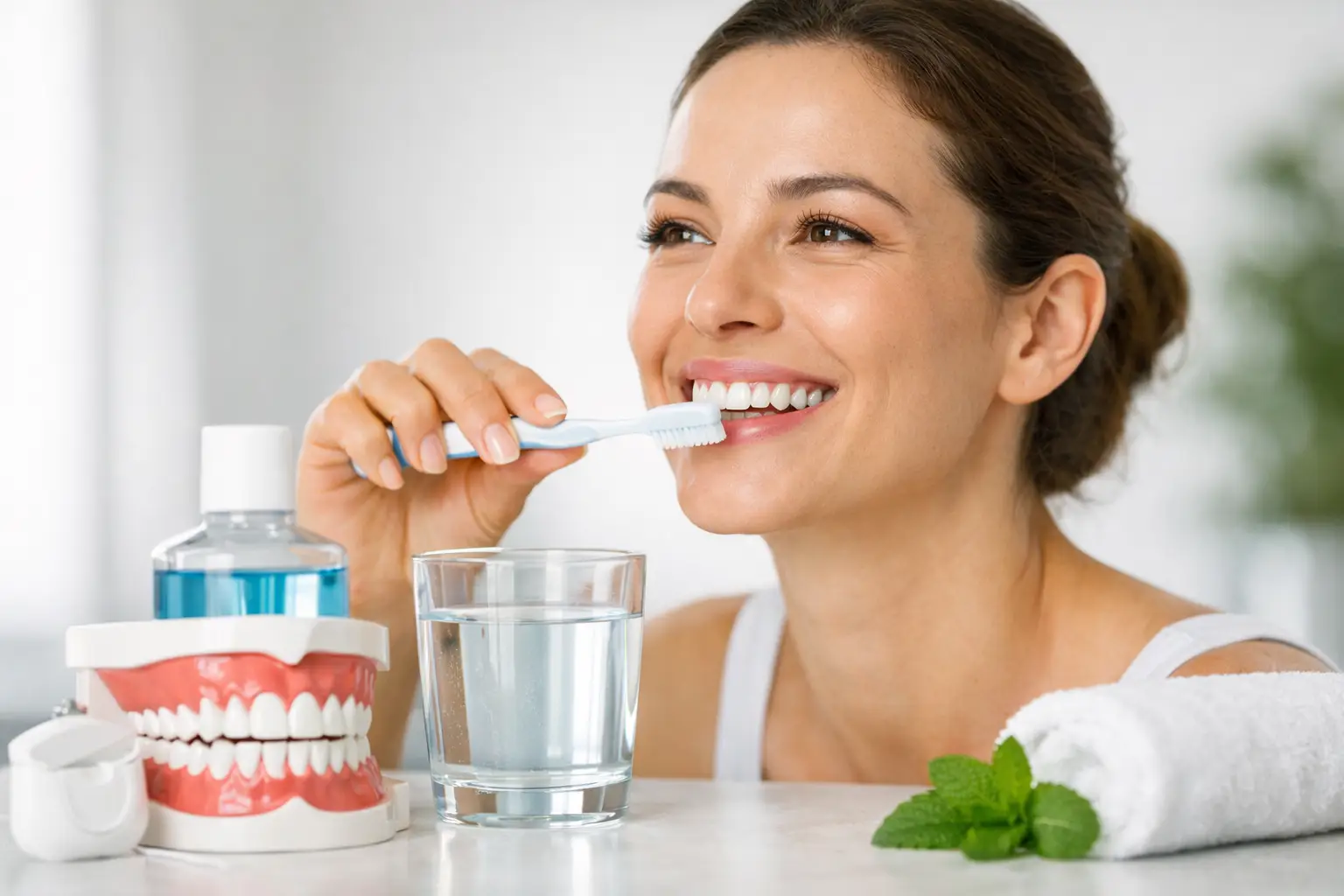
Bleeding when you brush is easy to dismiss, particularly when life is busy. Yet gums that bleed, feel tender or look puffy are often asking for more consistent care. The best habits for healthy gums are not complicated or expensive. They are the small, repeatable choices that remove plaque thoroughly and give your mouth the support it needs over many years.
Healthy gums should usually look pink or coral in colour, fit snugly around the teeth and feel comfortable. They form the foundation for every smile, whether you are maintaining your natural teeth, considering whitening or aligners, or caring for crowns, bridges or implants. A good routine protects far more than appearance.
Why gum care deserves daily attention
Plaque is a soft, sticky film of bacteria that forms continuously on teeth and around the gumline. If it is not removed effectively, it can irritate the gums and lead to gingivitis. This early stage of gum disease may cause bleeding, redness, swelling or unpleasant breath, but it can often be improved with careful home cleaning and professional advice.
When inflammation continues untreated, the problem can progress beneath the gumline. Advanced gum disease can affect the bone supporting the teeth, leading to loosening and, in some cases, tooth loss. It may develop quietly, which is why a mouth can feel largely fine while changes are taking place. Prevention is kinder, simpler and usually more affordable than trying to restore damage later.
The best habits for healthy gums every day
1. Brush twice a day with a gentle, thorough technique
Brush for two minutes in the morning and last thing at night using fluoride toothpaste and a soft-bristled toothbrush. Hold the brush at an angle towards the gumline, using small, gentle movements rather than hard scrubbing. The aim is to disturb and remove plaque where the tooth meets the gum, not to scour the enamel.
Pressure is not proof of good cleaning. Brushing too firmly, especially with a medium or hard brush, can contribute to gum recession and sensitivity over time. An electric toothbrush with a pressure sensor can be helpful for some people, although a manual brush can work very well when used carefully and consistently.
Give equal attention to the inside surfaces of your teeth and the back of the mouth. These are easily missed, especially when rushing before work, school or bed. If your gums bleed when you begin improving your brushing, do not stop cleaning the area. Gentle, regular plaque removal is usually what helps the inflammation settle, although persistent bleeding should be checked by a dental professional.
2. Clean between your teeth every day
A toothbrush cannot reliably reach the tight spaces between teeth. For most adults, daily interdental cleaning is one of the most worthwhile habits for gum health. Interdental brushes are often particularly effective where there is enough space between teeth, while floss or dental tape may suit tighter contacts.
The right method depends on your mouth. An interdental brush should pass through with light resistance, not force. If it bends immediately or feels painful, it may be too large. If it slips through without touching the sides, it may be too small. Your dentist or hygienist can recommend the sizes and technique that suit your teeth, gums, bridges or implants.
A little bleeding at first is common when gums are inflamed. With daily, gentle cleaning, this often improves within a week or two. Do not saw aggressively with floss or snap it down onto the gum, as this can cause unnecessary trauma.
3. Spit after brushing rather than rinsing straight away
This small change is often overlooked. After brushing, spit out the excess toothpaste but try not to rinse your mouth immediately with water. Rinsing washes away much of the fluoride left on your teeth, reducing the protective benefit of your toothpaste.
If you use mouthwash, choose one recommended for your needs and use it at a different time from brushing, such as after lunch. Mouthwash can be useful in certain situations, but it is not a substitute for brushing and cleaning between the teeth. The mechanical removal of plaque remains the central task.
4. Be thoughtful about frequent sugar and acidic drinks
It is not only the amount of sugar that matters but how often teeth and gums are exposed to it. Frequent snacking, sweetened coffee, fizzy drinks and sipping fruit juice over several hours give plaque bacteria regular fuel. This increases the risk of tooth decay and can make it harder to maintain a healthy oral environment.
Where possible, keep sugary foods and drinks to mealtimes and choose water between meals. If you enjoy acidic drinks, avoid holding or swishing them around the mouth. Wait around an hour before brushing after an acidic drink or meal, as enamel may be temporarily softened.
A balanced diet also supports gum health. Foods rich in vitamins and minerals are helpful for general health and healing, but no food can replace thorough plaque removal. A smoothie may feel like a healthy choice, for example, yet its natural sugars and acidity can still matter if consumed frequently.
5. Do not ignore smoking, vaping or dry mouth
Smoking is a significant risk factor for gum disease and can make treatment less predictable. It may also mask one of the usual warning signs: bleeding. This means smokers can have active gum problems without seeing much blood on the toothbrush. Stopping smoking brings benefits throughout the body, including better gum healing and a lower risk of tooth loss.
Vaping is not harmless to the mouth either. Nicotine can affect blood flow and some products may contribute to dryness or irritation. If you are trying to cut down or stop, asking your GP, pharmacist or a stop-smoking service for support is a sensible first step.
A dry mouth can also increase plaque build-up and discomfort. It may be linked to medicines, mouth breathing, dehydration or certain health conditions. Sip water regularly, and seek advice if dryness is persistent, particularly if you are getting repeated decay, soreness or difficulty wearing dentures.
6. Pay attention to changes rather than waiting for pain
Gum disease is not always painful. Make a habit of noticing what is normal for your mouth, and arrange an appointment if you see bleeding that continues, swollen gums, persistent bad breath, recession, pus, loose teeth or a change in how your teeth bite together.
Receding gums can have several causes, including periodontal disease, overly vigorous brushing and natural changes over time. It is not something to diagnose from photographs alone. A clinical examination can identify what is happening and whether treatment, a change in brushing technique or closer monitoring is appropriate.
People with diabetes, a family history of gum disease, previous periodontal treatment or certain medications may need more tailored care. Pregnancy can also make gums more prone to bleeding because of hormonal changes. In these situations, regular review and a personalised cleaning routine matter even more.
7. Keep regular check-ups and hygiene appointments
Even an excellent home routine has limits. Tartar, also called calculus, is hardened plaque that cannot be removed with a toothbrush or floss. A dental professional can remove it safely and assess areas that are difficult to judge at home, including the gum pockets around each tooth.
The right recall interval is individual. Some people with stable, healthy mouths may need less frequent hygiene visits than someone who has had gum disease, wears implants or finds plaque builds up quickly. It depends on your risk factors, medical history, home care and what your dentist sees during examination.
At 4 Great Stuart Street, preventive appointments are approached as part of long-term care, not a lecture on what you should have done differently. A calm conversation about your routine, alongside practical demonstrations and professional cleaning where needed, can make a genuine difference to your confidence and comfort.
8. Make the routine easy enough to keep
The most effective routine is the one you can maintain on an ordinary Tuesday evening. Keep your toothbrush and interdental cleaning aids where you will use them, replace your toothbrush head when the bristles start to splay, and avoid treating oral care as something to catch up on only before an appointment.
If you are caring for a bridge, denture, implant or orthodontic appliance, ask for specific guidance. These restorations can be very successful, but they may create areas where plaque collects more easily. The tools you need may be slightly different, and a tailored routine is worth the effort.
Healthy gums rarely come from a dramatic change. They are built through a few quiet habits, repeated patiently: clean carefully, notice early warning signs and ask for help before a minor concern becomes a larger one.